HACK THE GAME: ARTISTIC INTERVENTIONS AND CRITICAL PLAY (NOVEMBER 9 11 2026, TÉTOUAN, MOROCCO)
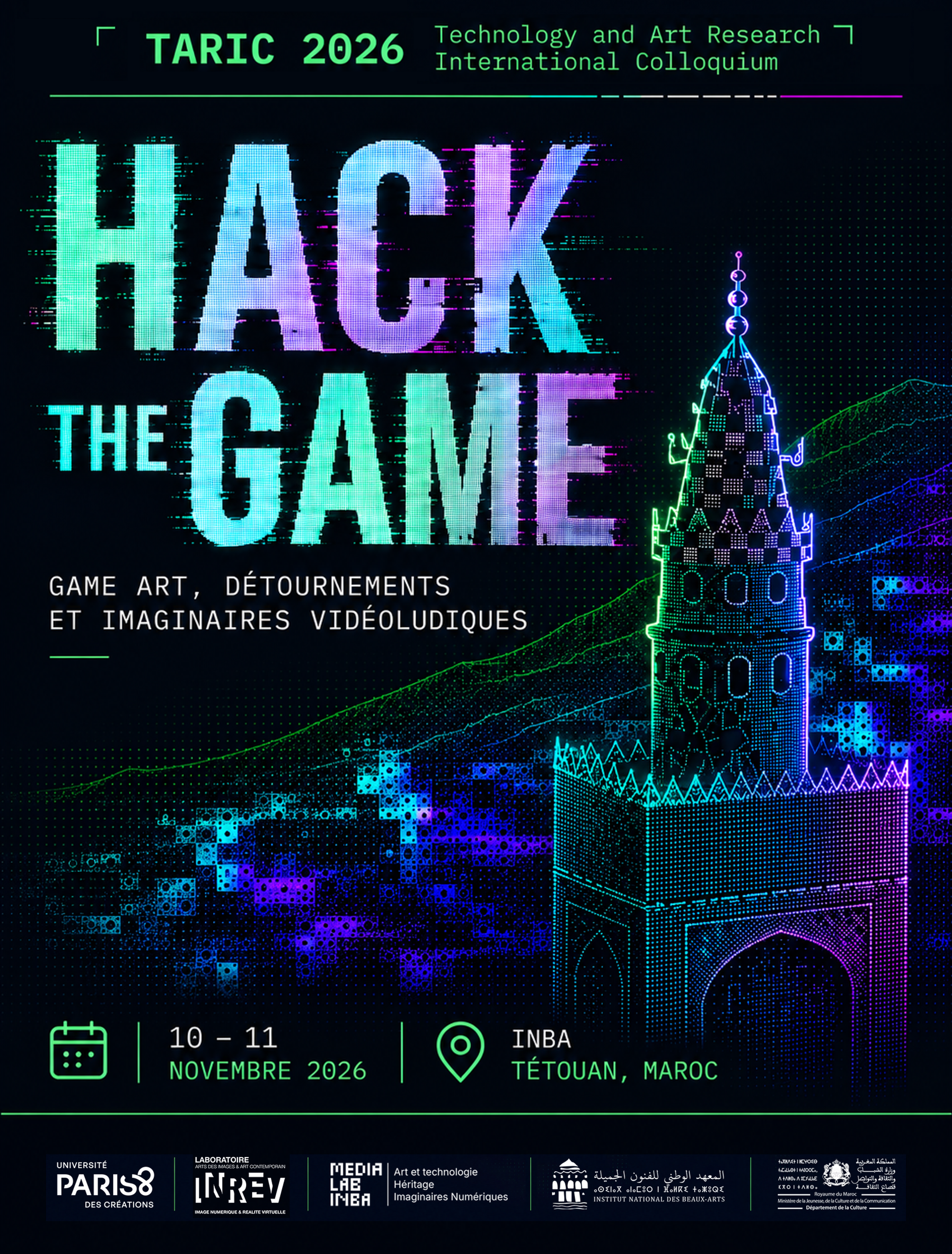
Hack the Game: Game Art, Subversive Practices and Videogame Imaginaries
November 9–11, 2026
Al-Fakhar Gallery, Institut National des Beaux-Arts, Tétouan, Morocco
Opening: Monday, November 9, 6 p.m.
Visiting hours: Tuesday, November 10, and Wednesday, November 11, 2–6 p.m.
Colloquium: November 10–11, 2026
Conference venue: INBA Auditorium, Avenue Mohammed V, Tétouan, Morocco
Tuesday sessions: 4–7 p.m.
Wednesday sessions: 9 a.m.–12:30 p.m. and 4:30–7 p.m.
Admission: Free for public visitors
Organisers: INBA Media Lab and Université Paris 8, in partnership with ESAAix
Programme: Official TARIC 2026 website
Press contact: hackthegame@inba.ma
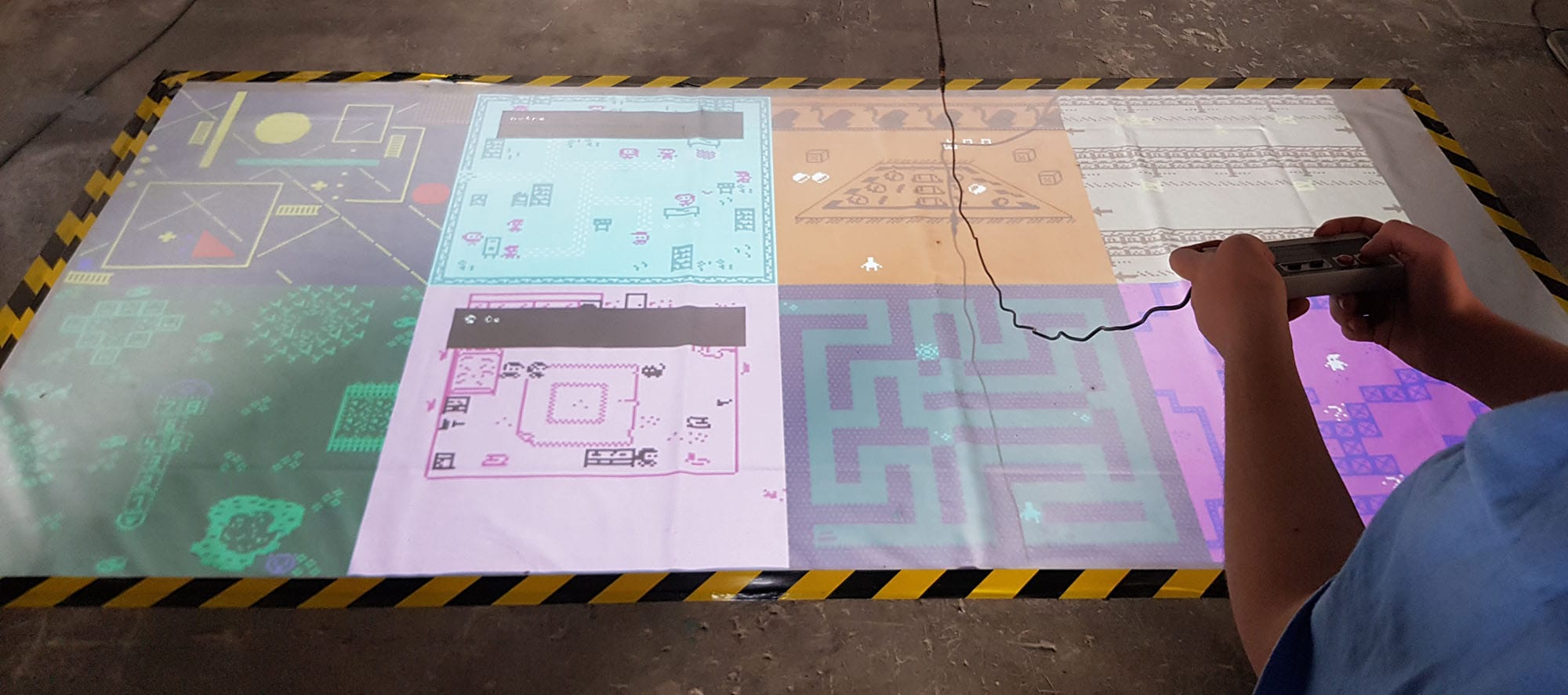
Eight videogames respond to a single controller in Errance.s, a collective installation that turns an ordinary gaming peripheral into an instrument of disorder. A single movement produces simultaneous consequences across different virtual environments, forcing players to contend with actions they cannot fully coordinate.
The work is among those featured in Hack the Game: Game Art, Subversive Practices and Videogame Imaginaries, an international exhibition and colloquium taking place at the Institut National des Beaux-Arts (INBA) in Tétouan, Morocco, from November 9 to 11, 2026.
Organised by INBA Media Lab and Université Paris 8, in partnership with the École supérieure d’art d’Aix-en-Provence (ESAAix), the event inaugurates the Technology and Art Research International Colloquium (TARIC). It forms part of the 17th Biennale des Écoles d’Art en Méditerranée and brings together artists and researchers examining videogames as materials for artistic production, experimentation and critical inquiry. We previously discussed the event here.
Founded in 1945, INBA occupies an important position in Morocco’s artistic education. Its involvement in Hack the Game also reflects a growing interest in game-based artistic research across Mediterranean institutions. The colloquium situates established practices of modding, machinima and software intervention within discussions of cultural representation and technological autonomy.
The historical precedents are substantial. In 1999, artist and researcher Anne-Marie Schleiner organised Cracking the Maze: Game Plug-ins and Patches as Hacker Art, an online exhibition that examined how artists could modify commercial videogames and appropriate their technical structures. The Tétouan programme revisits this history while expanding the discussion to decolonial aesthetics, the military applications of games and the cultural assumptions embedded in digital environments.
The accompanying exhibition offers several approaches to these concerns.
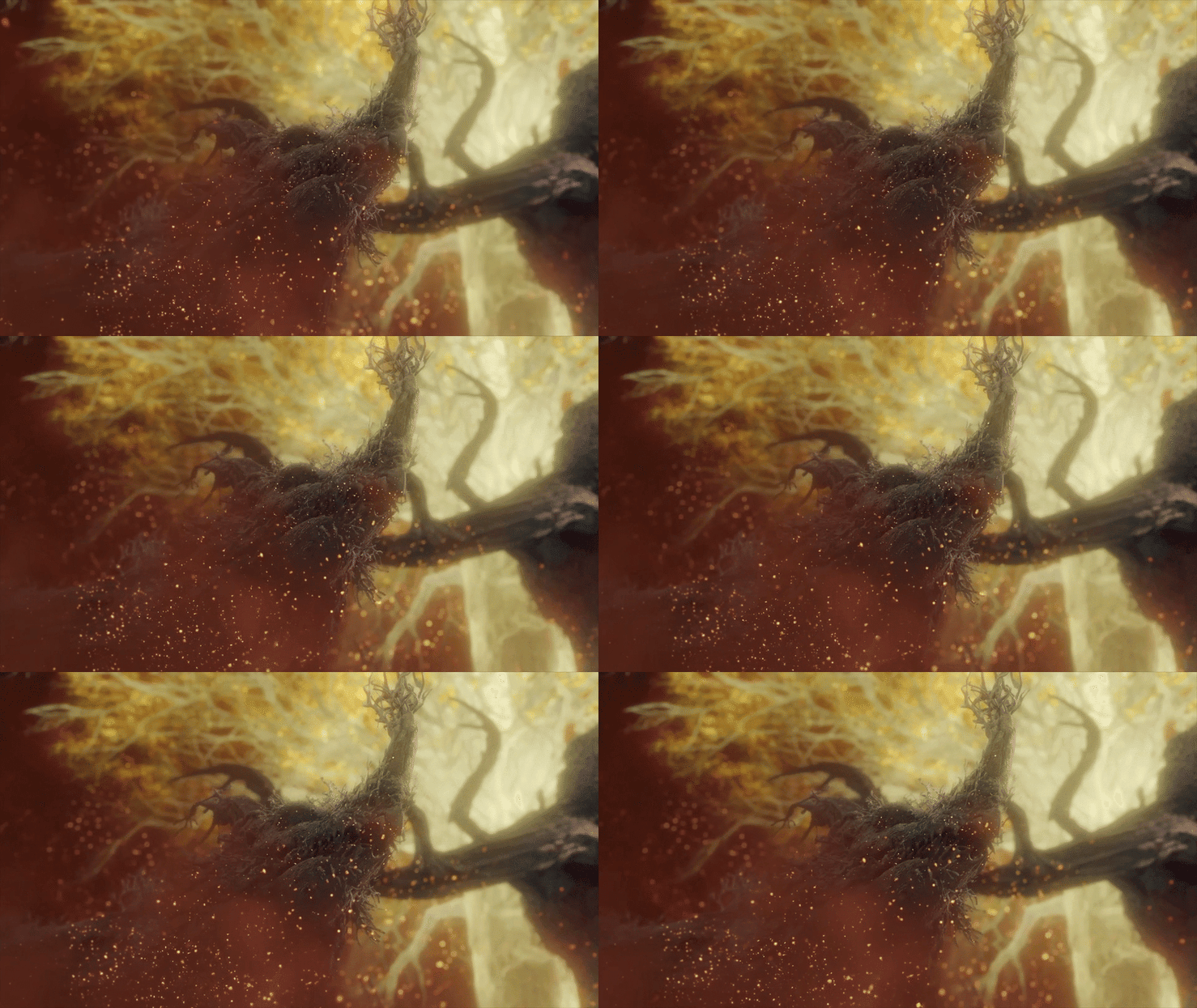
In MÉLANIE’S FAVOUR (2026), French artist Mélanie Courtinat transforms Elden Ring (FromSoftware, 2022) into a site of delegated performance. The twenty-minute machinima follows player Celnadmery3480 through six boss encounters while carrying a custom-modified shield shaped like a flower. The shield offers virtually no protection. Inspired by medieval traditions of courtly favour, it becomes a symbolic gift whose significance depends on the player’s extraordinary technical proficiency. The film draws on the culture of no-hit challenges, in which players defeat enemies without sustaining damage. Courtinat's intervention introduces an explicitly artistic relationship into a competitive practice governed by precision, repetition and self-imposed constraints. MÉLANIE’S FAVOUR is currently on display at VRAL.
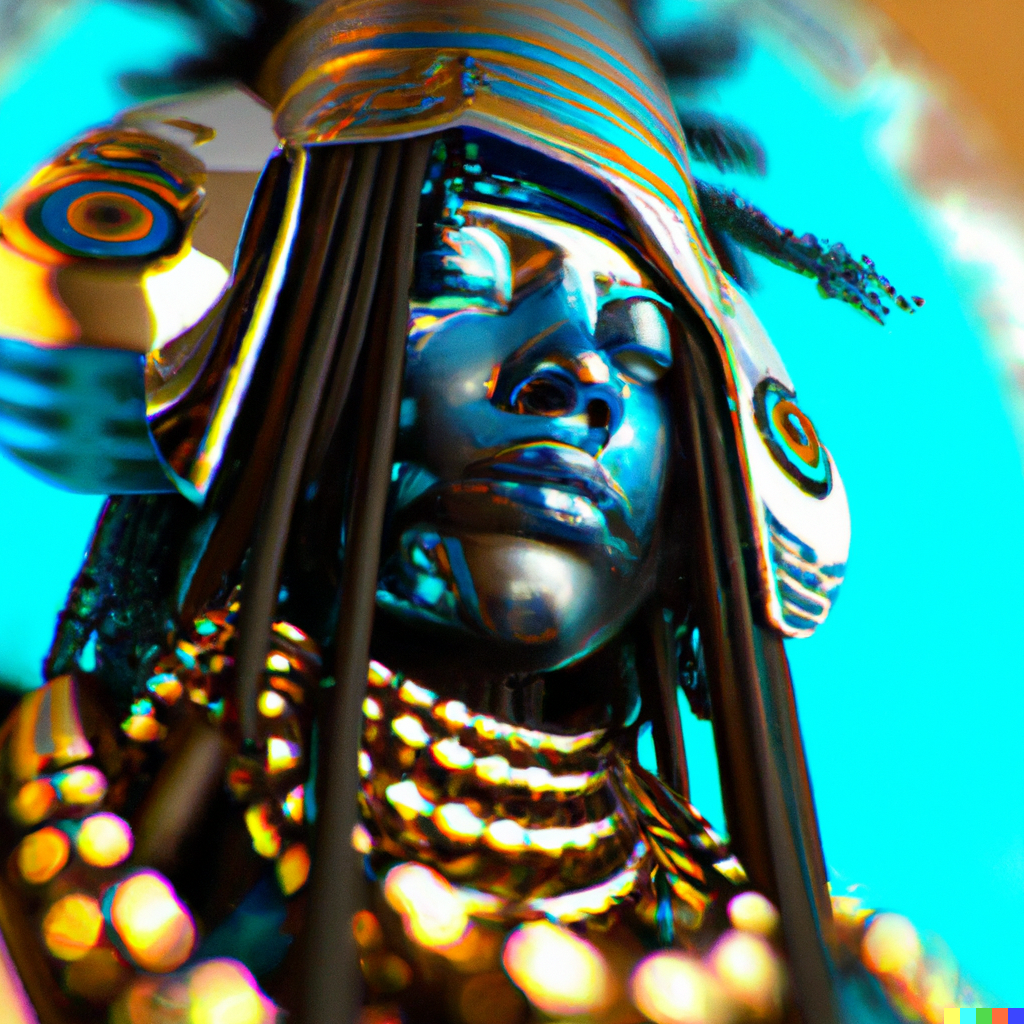
A different approach emerges in the films Ce qui nous porte, Le feu qui nourrit and Là où les ancêtres boivent, presented by Isabelle Arvers and Elon-M Tossou. Developed within Aux Futurs Ancestraux (2026), a collective research-creation initiative originating in Benin, the works combine documentary footage, animation and machinima to engage with Vodún cosmologies. The project involved encounters with religious custodians and the digital documentation of ritual sites and objects. By incorporating these materials into virtual environments, the artists investigate how game technologies might accommodate forms of knowledge that have historically received limited representation within commercial videogames. The films also raise questions about cultural authorship and the responsibilities involved in translating living traditions into digital imagery.
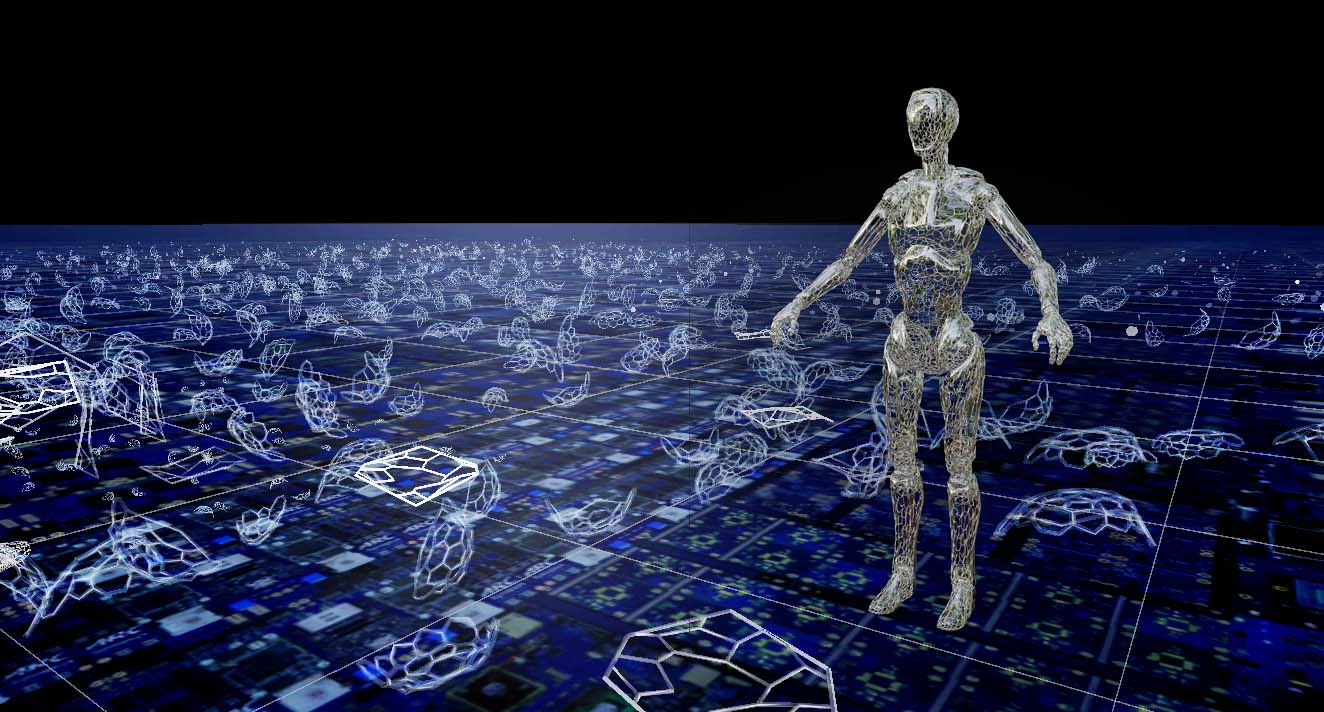
Questions of embodiment and machine-generated representation inform Intricate Memories, a virtual reality installation presented by Marta Shilova and Chu-Yin Chen. The work uses bodily movement and eye tracking to transform an immersive environment and a responsive avatar. Its investigation of somatic memory and artificial representation extends the exhibition's examination of the relationship between human agency and computational systems.
Other contributions address the conventions of interaction through more compact experiments. Chaimaa Lehnech’s Sync employs narrative doubling, while Selin Dinçe’'s Mâche-Peur constructs a choice-based experience around teeth and bodily trauma. The collaborative project Gatcha, developed by Hafsa Errabboun, Nicolas Fleurot, Chaimaa Lehnech and Tuna Suzgun, investigates scrolling and movement through digital social spaces. Oualid Lazrak’s Amphithéâtre des possibles adopts the format of a fictional academic lecture.
The institutional collaboration has already produced a related exhibition. On October 30 and 31, the Hack the Game / Jouer la rupture project was presented at La Manufacture in Aix-en-Provence as part of the Biennale des Imaginaires Numériques. Developed through workshops involving students and graduates from Morocco and France, the initiative investigated the appropriation of game mechanics through collaborative artistic production. Its educational dimension provides a useful complement to the Tétouan colloquium, where similar concerns enter a more explicitly theoretical discussion.
The academic programme opens with a keynote by Chu-Yin Chen of Université Paris 8. Subsequent panels examine decolonial imaginaries and the military’s instrumentalisation of videogames and esports. Other presentations consider artificial intelligence in artistic production alongside digital interpretations of Moroccan cultural heritage. A concluding thematic session addresses copyright, reverse engineering and practices that circumvent the intended uses of commercial software.
These legal and technical questions complicate the emancipatory vocabulary of hacking. Artistic appropriation frequently depends on proprietary engines whose creators retain considerable authority over modification and access. Hack the Game provides an occasion to examine that dependency within an exhibition where altered software, unconventional performances and experimental interfaces make the conditions of play visible.