EVENT: OVERKILL FESTIVAL 2026 (NOVEMBER 26–29, ENSCHEDE, THE NETHERLANDS)
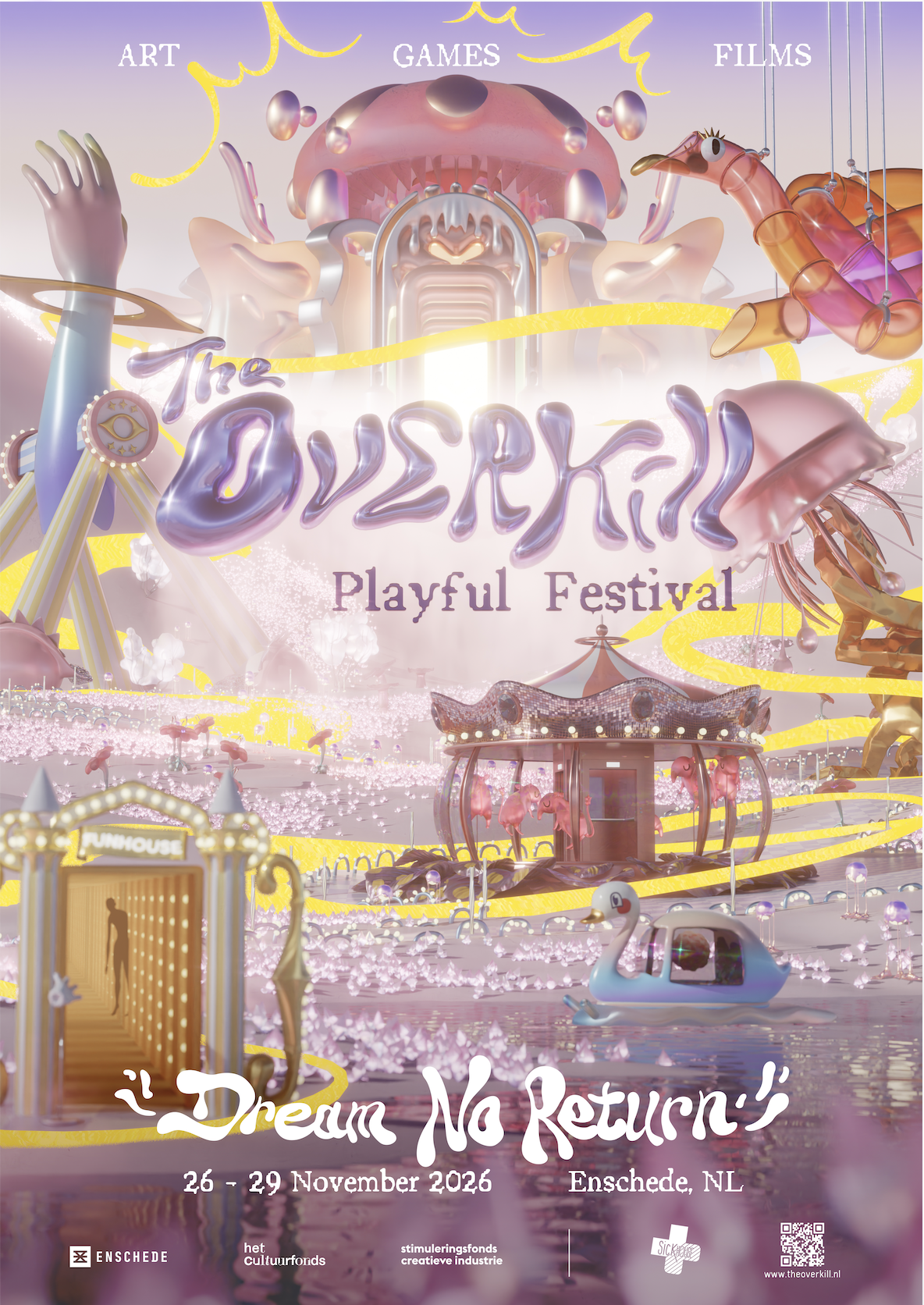
The Overkill festival: Dream No Return
November 26–29, 2026
Sickhouse
Oldenzaalsestraat 128 7514 DS Enschede, The Netherlands
A fly’s life is short, and in Time Flies (2025), that biological fact becomes the game’s governing rule. Developed by Swiss animator Michael Frei and programmer Raphaël Munoz, the game invites players to pursue an improbable bucket list before their insect avatar dies.
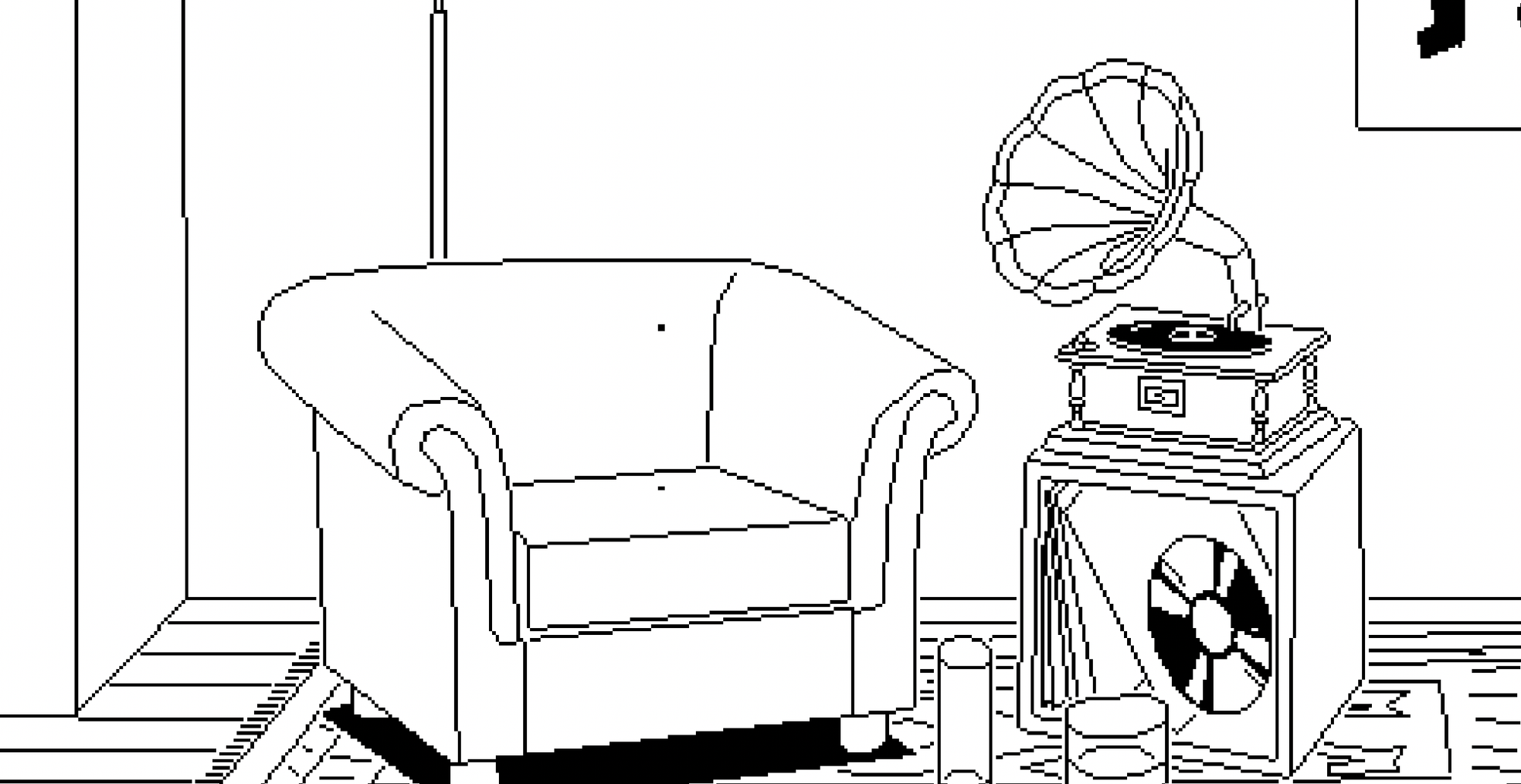
Learning an instrument or reading a book suddenly becomes an existential undertaking. Rendered in delicate black-and-white drawings, the game translates human life-expectancy statistics into a countdown measured in seconds, with the duration determined by the player’s selected country. Frei, whose earlier collaborations include Plug & Play (2013/2015) and KIDS (2019), approaches mortality through absurdist animation and elementary interactions. The possibility of accomplishing nothing remains an entirely legitimate choice. The game’s deadpan humour introduces one of the central concerns of The Overkill festival’s 2026 edition: our increasingly instrumental relationship with time.
Returning to Enschede, the Netherlands, from November 26 to 29, the fourteenth edition of The Overkill festival takes the title Dream No Return. Its four-day programme brings together experimental video games, digital art, interactive installations and film screenings, alongside performances and participatory workshops. This year’s curatorial premise addresses exhaustion, anxiety and the growing commercialisation of rest in a society organised around productivity. Even sleep, the organisers observe, has become subject to technological monitoring and optimisation.
The festival is produced by Sickhouse, an independent art space established in Enschede in 2018. Through exhibitions, screenings and experimental game events, Sickhouse has developed a curatorial approach that treats video games as cultural forms capable of questioning established conventions of spectatorship and participation. Previous Overkill editions examined digital transformation through The Outburst of the Digital Swamp (2023) and the political possibilities of pleasure in Radical Joy Resistance (2024). The 2025 edition, Return to Dreamland: From #CalmTok to Rest as Resistance, had already addressed the commodification of sleep and the technological management of leisure. The 2026 programme continues this investigation through the intertwined themes of time, shapeshifting, escape and lullabies.
Among the participating artists is London-based experimental game maker Jade Lin, whose Manifest Your Dream Job Sleep Meditation transforms a seemingly benign meditation exercise into a disturbing examination of contemporary work culture. The downloadable interactive artwork begins with the player falling asleep during a meditation session before drifting through a succession of surveillance fragments, television static and obsolete audiovisual media. Its disjointed imagery evokes the unstable passage between waking consciousness and dreaming, while the title’s invocation of professional fulfilment introduces an unmistakably ironic dimension. The work’s formal indeterminacy challenges the assumption that every activity, including rest, should deliver a measurable benefit. The work was nominated for the Most Amazing Award at A MAZE. / Berlin in 2026.
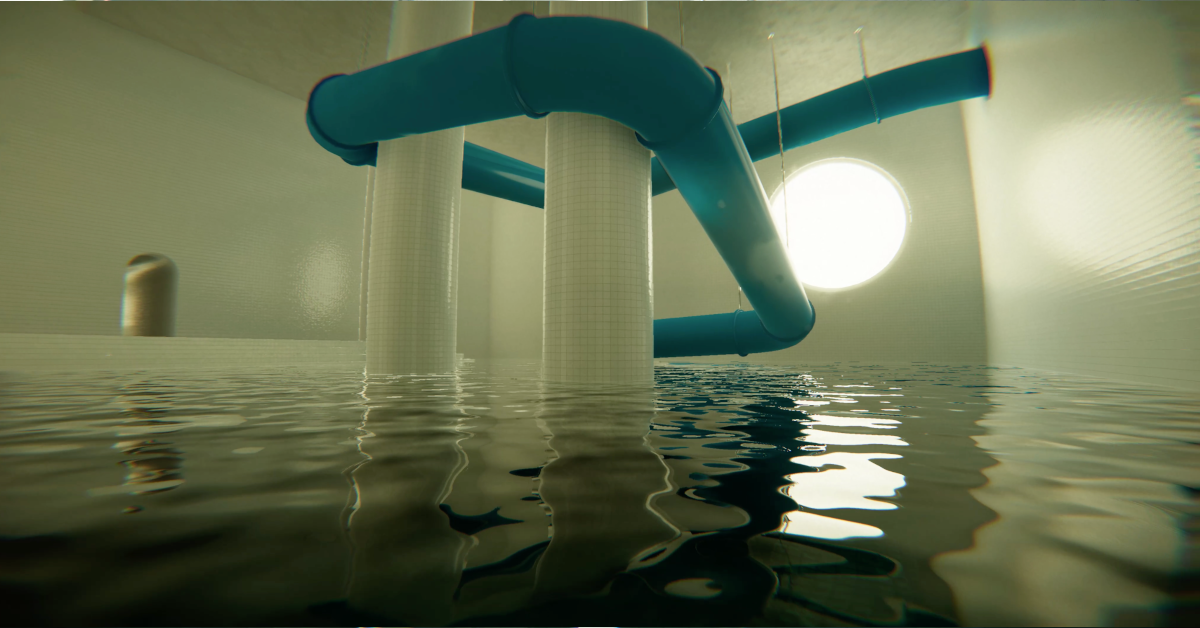
Another highlight is Dreamcore (2025), developed by Argentine studio Montraluz. Drawing on the visual culture of liminal spaces and the internet’s fascination with the Backrooms, the first-person exploration game presents deserted swimming pools, repetitive suburban architecture and seemingly endless interior spaces. Its environments include Dreampools, an interconnected complex of tiled swimming facilities, and Eternal Suburbia, a residential district composed of seemingly identical houses whose interiors differ considerably. The game’s body-camera aesthetic, disorienting architecture and VHS-inspired visual treatment turn spatial exploration into an exercise in perceptual uncertainty. Progress depends on spatial intuition rather than explicit objectives. Its unsettling environments transform ordinary architectural forms into psychological experiences, inviting players to reconsider the relationship between orientation and uncertainty.
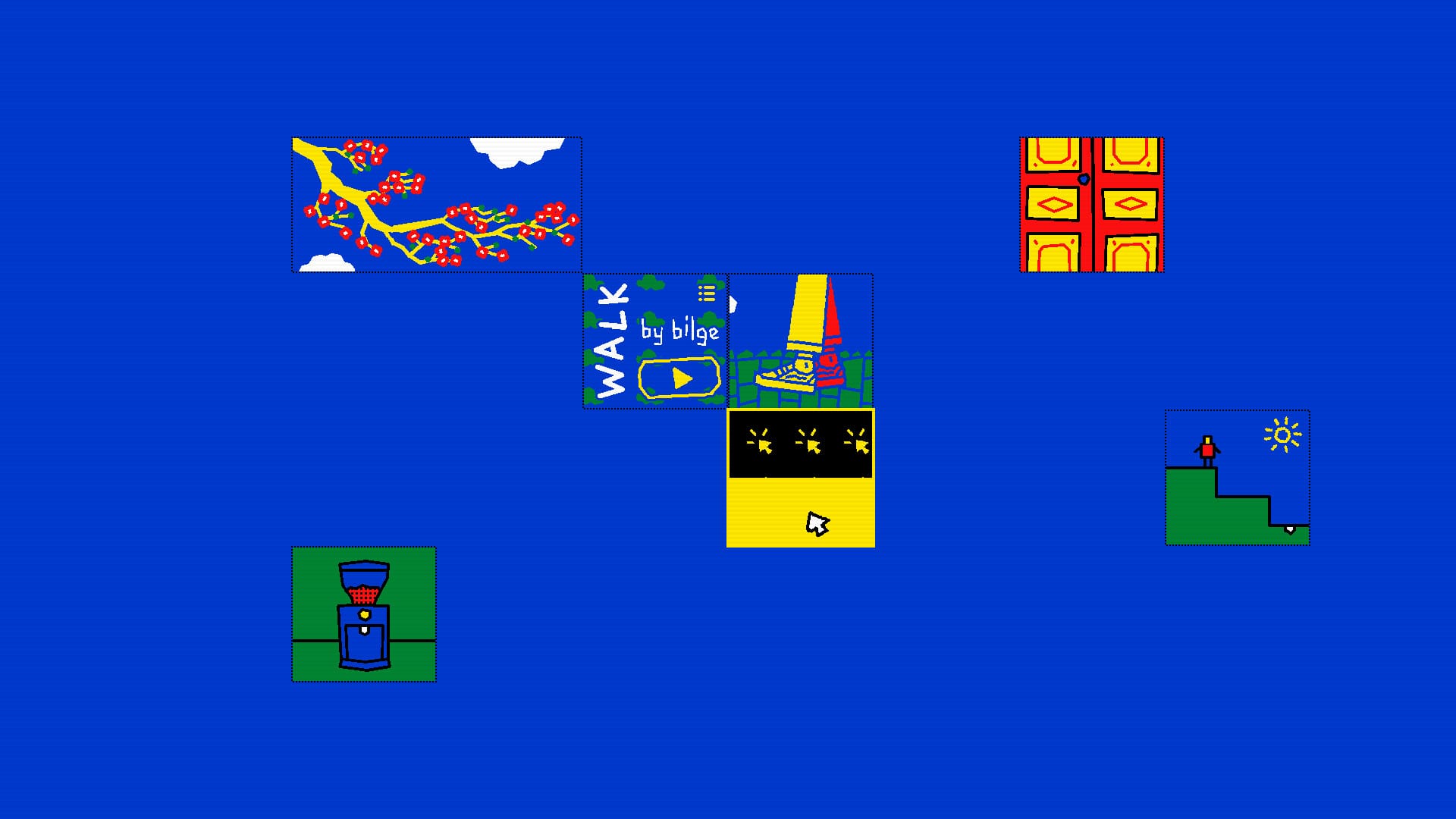
A different interpretation of exploratory play emerges in walk (2026), the miniature interactive work by developer Bilge. Inspired by a year of daily walks with their partner through Tallinn, Estonia, the game condenses ordinary experiences into more than forty small interactive scenes. Making coffee, descending stairs or observing the neighbourhood become opportunities for playful discovery. Its simple point-and-click and drag-and-drop interactions allow players to unlock successive episodes at their own pace. Bilge cites Jirō Taniguchi’s manga The Walking Man as an influence, and the correspondence is evident in the attention devoted to apparently inconsequential moments. Although the game retains an incremental progression system, its pleasures emerge primarily from observation and repetition.
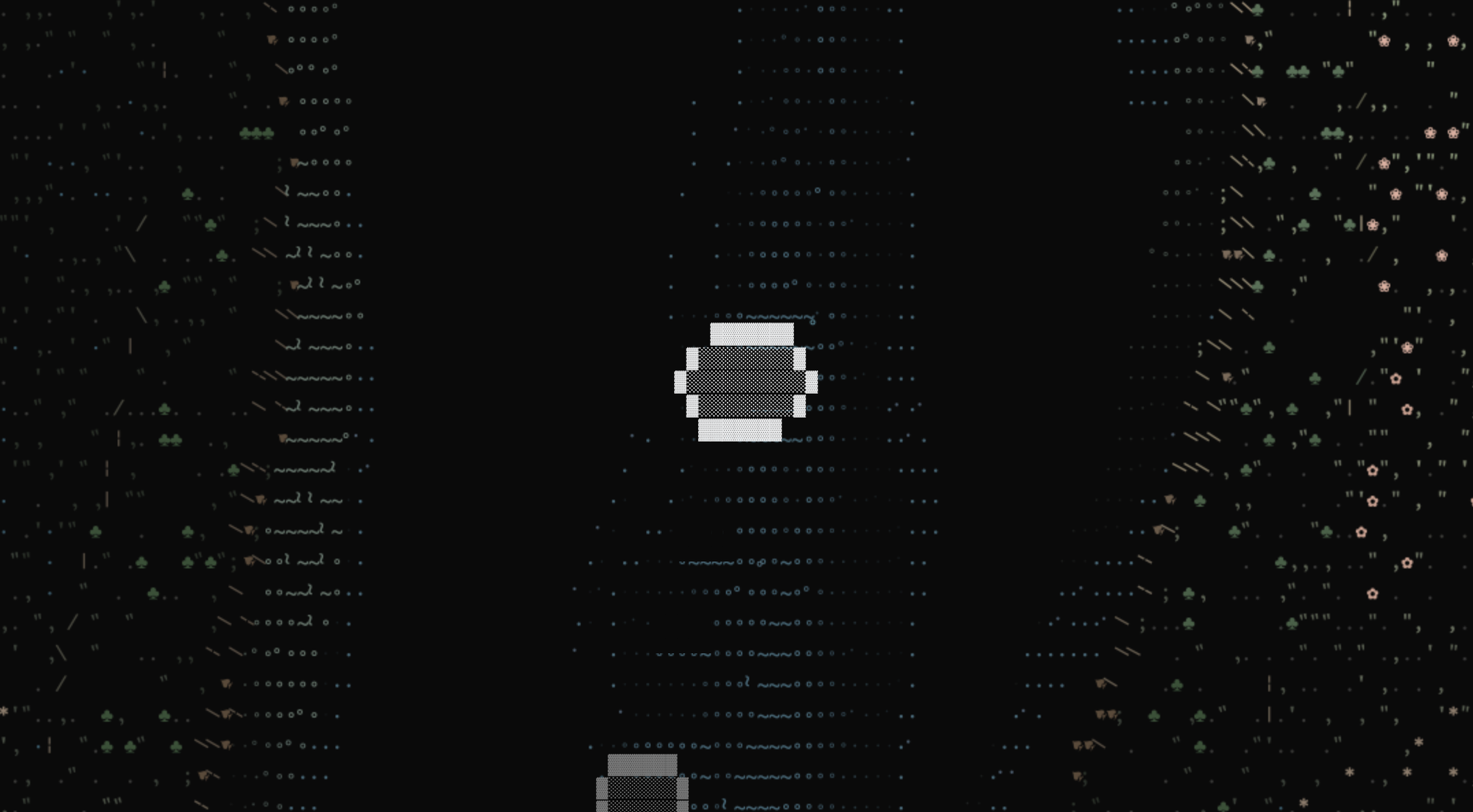
Even smaller in scale is the river of reverence by Tim Holman, a browser-based experiment belonging to his collection of digital Patience Toys. Combining an ASCII river with ambient sound, the work makes a minute of waiting into its principal activity. The experience belongs to a tradition of experimental software that questions the expectation of continuous user input.
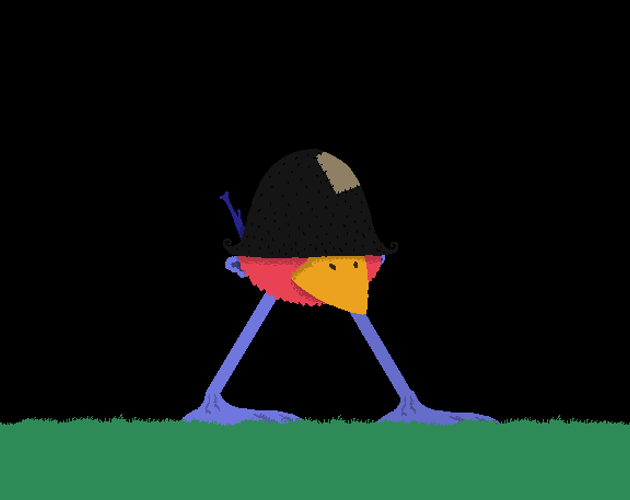
Elsewhere, Blue Footed Steps by Filemon employs the familiar structure of a minimalist platform game while asking players to regulate their movement and remain attentive to the surrounding flora and fauna. These modest exercises propose alternative relationships between interaction and attention.
The programme also includes To Become a Snake (2025) by Colombian artist Camilo Sandoval, an experimental video game installation in which participants gradually abandon their human form to inhabit that of a snake. Conceived as a ritual of metamorphosis, the work explores alternative modes of embodiment and the possibility of examining human behaviour from a nonhuman perspective. Presented as an arcade installation, the game surrounds its solitary player with characters undergoing comparable transformations. There is no guarantee that the metamorphosis will succeed. Sandoval treats the uncertainty of the process as an opportunity to question the habits and assumptions associated with human identity. His practice frequently combines computational systems with sculptural objects and interactive performance.
The selection also accommodates considerably more frenetic forms of play. XENOTILT (2024), developed by WIZNWAR and FLARB, revisits the exaggerated audiovisual vocabulary of 1990s digital pinball. Its elaborate, three-tier playfield combines pinball mechanics with projectile-based combat, monstrous adversaries and relentlessly escalating scores. The festival even proposes a prize for the most nightmarish high score. Its inclusion complicates the exhibition’s emphasis on relaxation: competitive intensity and sensory excess remain legitimate components of playful experimentation.
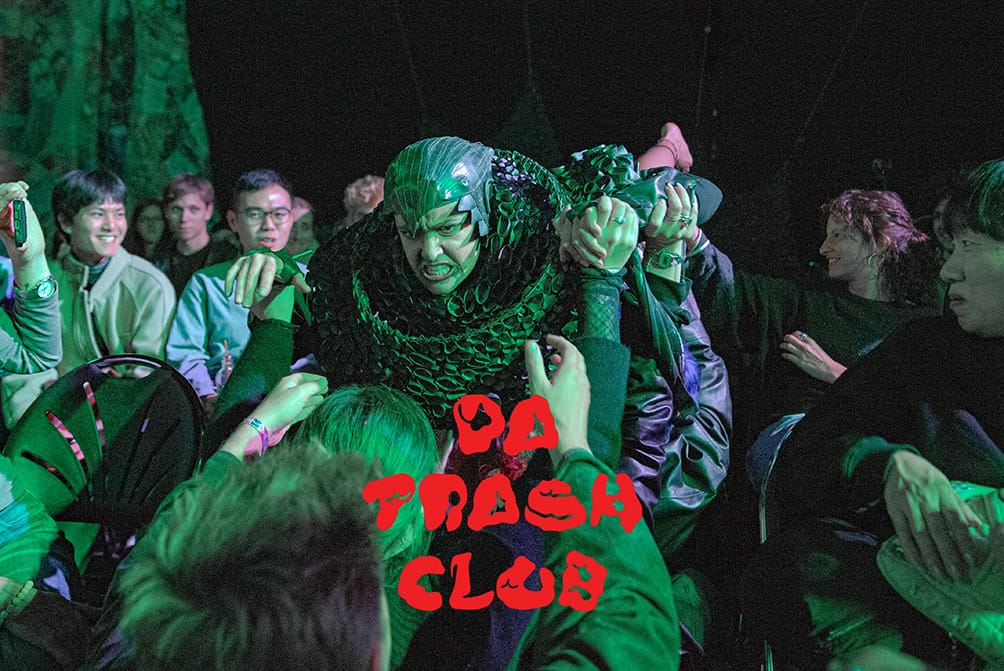
Elsewhere, Shalev Moran’s Speculative Tourism uses location-based storytelling to imagine alternative futures for familiar places. The collective Da Trash Club transforms discarded materials into the imaginary Land of Away, inviting visitors to participate in collective performances and playful experiments.
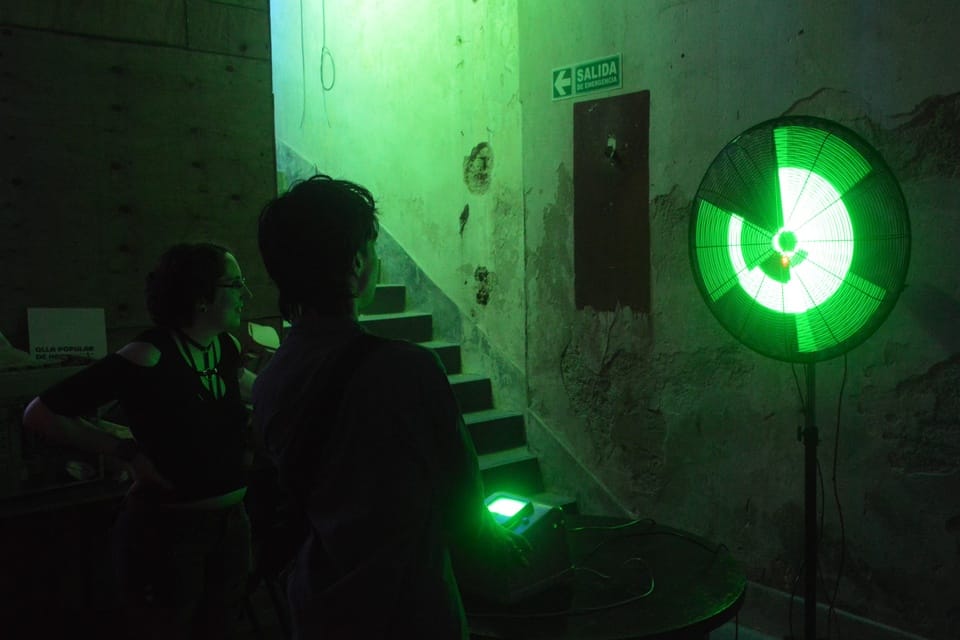
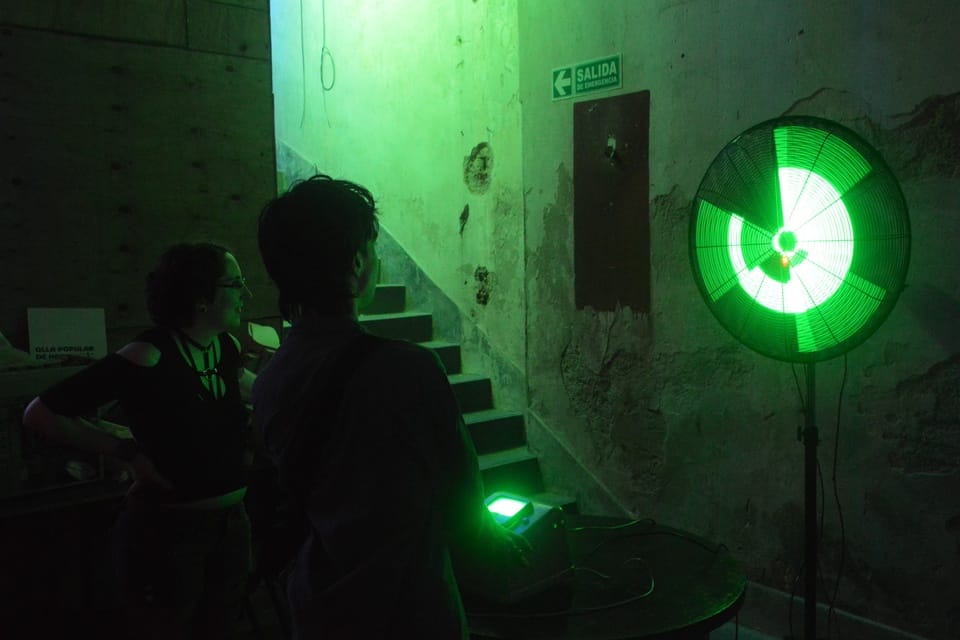
An especially unconventional contribution is Ventilastation, an open-source electromechanical game console developed by Argentine creator Alejandro J. Cura. Constructed around a repurposed electric fan, the apparatus employs a circular display that requires games designed specifically for its unusual geometry. The project won Sickhouse’s Ultimate Indie Mash competition in 2025 and has since become the subject of an international development initiative. For the 2026 festival, Sickhouse has organised a game jam inviting participants to create new titles for the machine, with submissions accepted until November 25. Ventilastation reintroduces the physical apparatus into discussions of video game design, demonstrating how unconventional hardware can generate different conventions of interaction. Its deliberately improvised construction also recalls the experimental culture of homebrew computing and independently developed arcade machines.
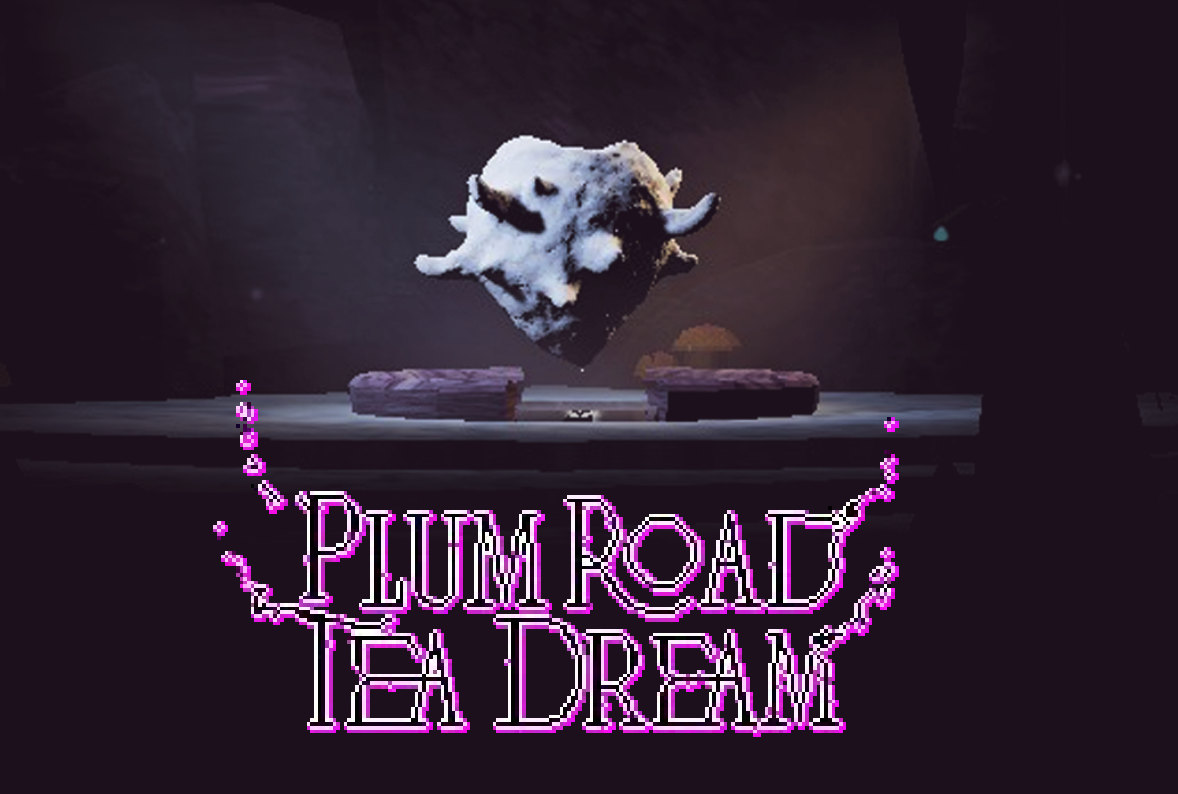
Another significant addition is Plum Road Tea Dream (2026), developed by Belgian-Ghanaian artist Samuel Baidoo in collaboration with Reveal Game Studio. This autobiographical video game transforms experiences of grief, identity and belonging into an explorable environment composed of seven sanctuaries. Players encounter the memories of an avatar named S., whose psychological history gradually emerges through the spaces they inhabit. Walking, sitting and listening become the principal activities, while visual styles change across the virtual world. The game extends Baidoo’s practice in performance and visual art, and has also been presented as an exhibition combining digital environments with physical objects. Here, the conventions of the exploratory adventure provide a structure for reflection and self-examination.
Beyond the exhibition, The Overkill places considerable emphasis on encounters between artists and audiences. Friday, November 27, is dedicated to Playful Friday, a participatory programme curated by Zuraida Buter that invites game designers and experimental artists to share their working methods. Participants include Nick Murray, Spiders and V Buckenham. Among the sessions is a live game reading of procuring estrogen for your toxic slime girlfriend by NB Spiders and BigBeefySharkBaby. Developed using the experimental wareware game-making tool, this short browser adventure transforms a familiar role-playing quest into an irreverent exploration of gender affirmation and care. Its deliberately rough, playful aesthetics also speak to the importance of accessible authoring tools within contemporary independent game cultures.
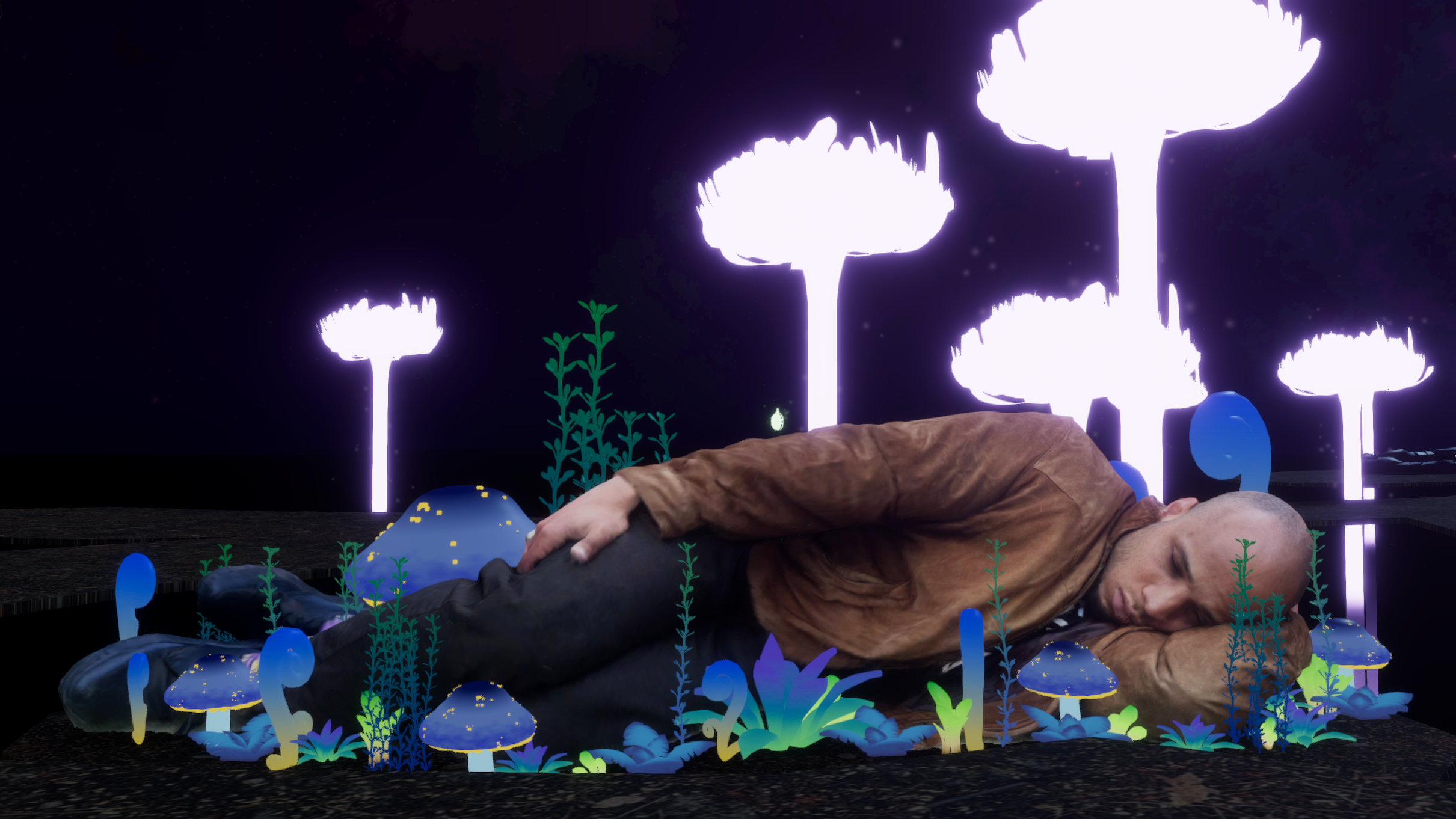
That evening, the festival proposes an unusually literal interpretation of collective dreaming: a sleepover featuring sound performances by Claire Williams and a collective gaming session and tea ceremony with Samuel Baidoo, titled Plum Road Tea Dream_The Hangout. This participatory extension of the game invites visitors to discuss their experiences while exploring its virtual sanctuaries together. Puck Verras contributes participatory storytelling through Dreamweaver. The weekend continues with creative workshops, film screenings and collaborative activities.
The festival’s interest in rest also introduces a productive contradiction. Can an organised cultural event genuinely create time free from instrumental demands, particularly when its experiences remain scheduled and curated? Dream No Return approaches this difficulty through artworks that interrupt conventional ideas of progress and completion. The exhibition’s combination of game poems, autobiographical environments and experimental hardware demonstrates that the medium can accommodate forms of experience extending well beyond conventional achievement systems. Its broader ambition is to reconsider what people might do together when play becomes an opportunity for sustained attention without the obligation to achieve.