EVENT: OCTOBRE NUMÉRIQUE – FAIRE MONDE 2026 (10 OCTOBER–8 NOVEMBER 2026, ARLES, FRANCE)

Dates: 10 October–8 November 2026
City Arles, France
Format City-wide festival: exhibitions, performances, talks, screenings, workshops, game jam and related activity
Curator: Vincent Moncho
Official website
A ski station in Russia, a sex-cam website, a ruined multiplayer map, an island seen from above, a field where wheat might still be sown. Octobre Numérique – Faire Monde treats each of these as a place worth exploring in depth. The 2026 edition invites the viewers to turn their head toward the stars, listen for birds singing to the rhythm of digital erasure, wear dancing stars, book a stretch of nothing, sabotage what pleases them, resist, and reassess.
This seminal initiative began in Arles in 2010, occupying the Grande Halle at the Parc des Ateliers alongside the Main demoparty, Art Court Vidéo, and PXLLan. The event has since narrowed and sharpened its focus around videogames, real-time image-making, online performance, game engine cultures, and interactive installation, treating them as material for sustained critical attention. It is organised today by a coalition of Arles-based cultural actors that includes Actes Sud, CHRONIQUES, Extramentale, and Fisheye.
Its structure is deliberately scattered and wildly eclectic. Exhibitions, performances, screenings, talks, workshops, and game jams appear across the city instead of inside one institution. This dispersal fits the subject matter. Digital culture already lives in bedrooms, feeds, servers, cinemas, and temporary social spaces, so a festival about it should probably behave the same way.
The 2025 edition made experimental videogames its center. It included Tales from the Real World, a duo exhibition by Mélanie Courtinat and Pascal Greco, the first EXTRA residency for experimental game-making with Mathilde Reynaud and Sohel Bourgeau, a Game Jam, and the online curatorial platform ON:LIVE. Coverage at the time described eight free exhibitions spread through Arles. The 2026 edition inherits that commitment while widening its lens toward networked intimacy and political friction.
Programme 2026
The 2026 edition runs from Saturday 10 October to Sunday 8 November, positioned this year under the sign of permacomputing and resistance. Seven exhibitions anchor the programme, joined by screenings, concerts, author talks, performances, listening sessions, debates, and club nights spread across Arles.
Here are some of the highlights:
Anima Ludens, at the Chapelle des Trinitaires

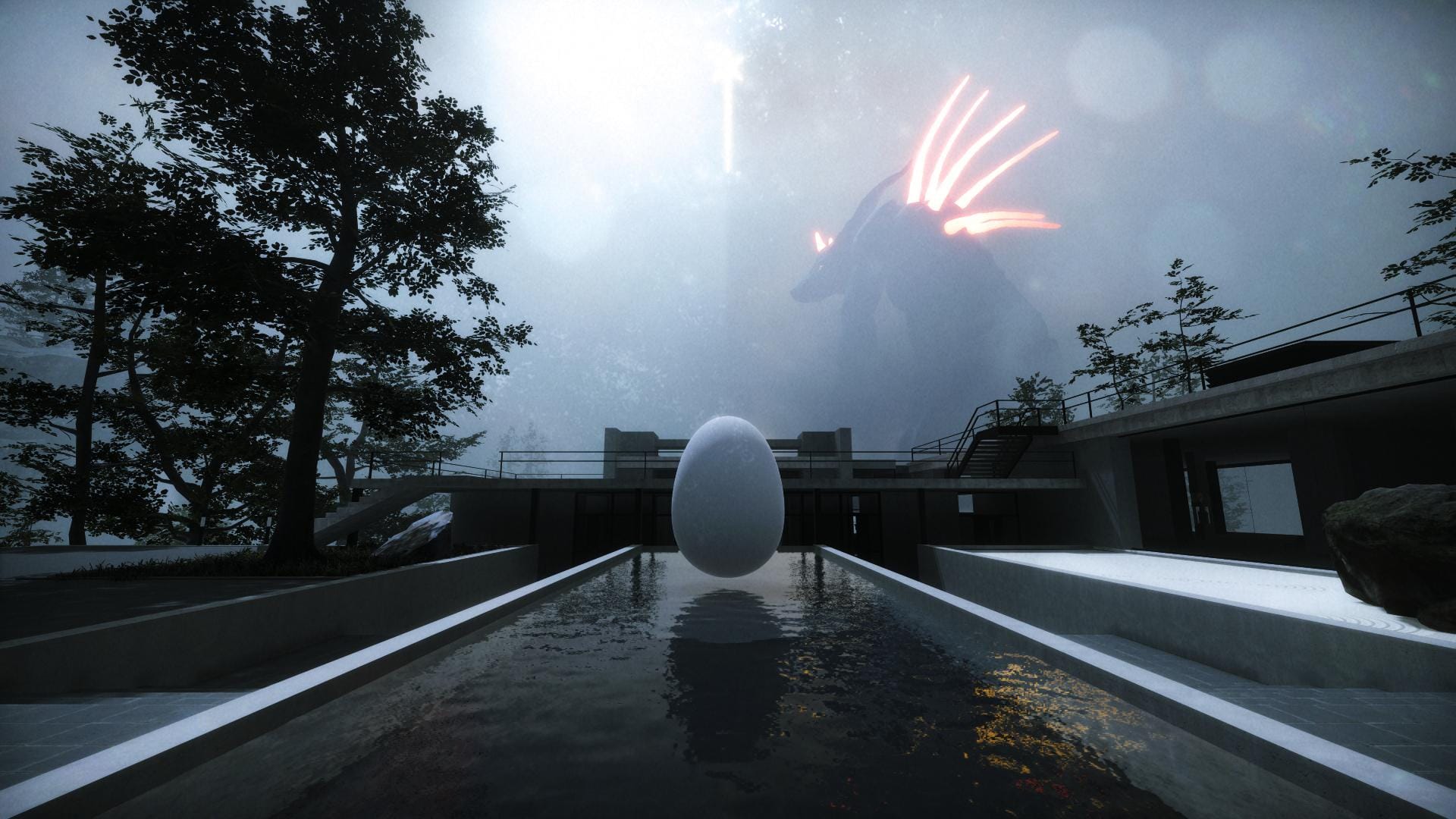
Curated by Daichi Nakagawa, Yasutaka Toyokawa, and Vincent Moncho, Anima Ludens takes its cue from Johan Huizinga’s 1938 proposal that play sits at the foundation of human culture, not as decoration on top of it. The exhibition’s wall text pushes past Huizinga’s magic circle toward its French double meaning: jouer as play, but also as the slack in a hinge, the give in a mechanical part, the tiny gap without which nothing moves. Generative AI, robotics, biotechnology, and ecological pressure force a different question than the one Huizinga asked in 1938. Who plays now? The exhibition extends the concept beyond human agents to animals, plants, microorganisms, algorithms, and cities, treating trial, repetition, and adjustment as forms of non-human rule-making. It also names the political stakes directly: free parties occupying vacant sites under their own tacit rules serve as the show’s working example of how a magic circle becomes a zone worth defending when such spaces shrink.
Anima Ludens was produced with Japan, through the Shibuya Asobi-ba Production Committee and ars·bit, with support from the Japan Creator Support Fund, and is dedicated to contemporary Japanese videogame imaginaries. Free, open access, 32 rue de la République, Tuesday to Friday, 10:00 to 18:00.
Le langage des phalènes, Mathilde Reynaud
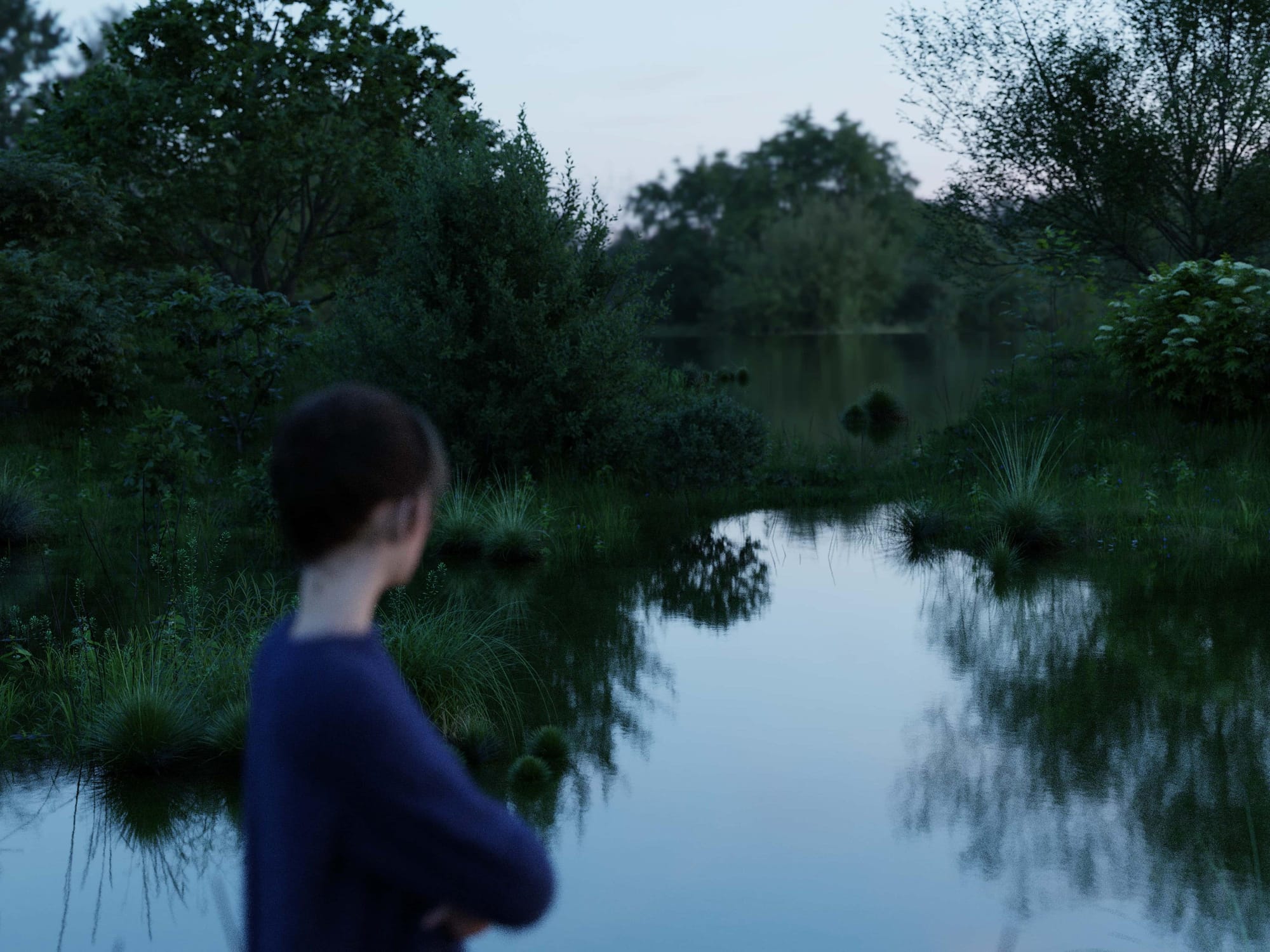
At the Galerie de la Librairie du Palais, 10 rue du Plan de la Cour, Mathilde Reynaud premieres an experimental videogame built around computing's founding accident: in 1947, a moth jammed the Mark II, the machine Grace Hopper helped design, producing the first documented computer bug. Reynaud's game walks the player through a green landscape until fatigue sets in, at which point the narration slides from waking into dream and memory, borrowing its confusion from Zhuangzi’s butterfly dream, the story of a man unsure whether he dreamed he was a butterfly or is a butterfly dreaming he is a man. The image track is kinescoped, grainy, and carefully calibrated, holding transparency and opacity in the same frame. Reynaud reads Hopper’s biography against the grain: a pioneer whose military career also ties computing’s early history to defense infrastructure, so the moth’s interruption becomes, in the exhibition’s framing, a disruption of efficiency logics rather than a mere glitch.
The show opens Friday 9 October at 17:30, free and open. Regular hours run Monday 14:00 to 18:00, Tuesday to Saturday 10:00 to 13:00 and 14:00 to 18:00. Vincent Moncho curates. A line from Gaston Bachelard’s L’air et les songes (1963) accompanies the wall text, on how a finished, stable image clips the wings of imagination.
Melencolia 110010100, Guillaume Pascale
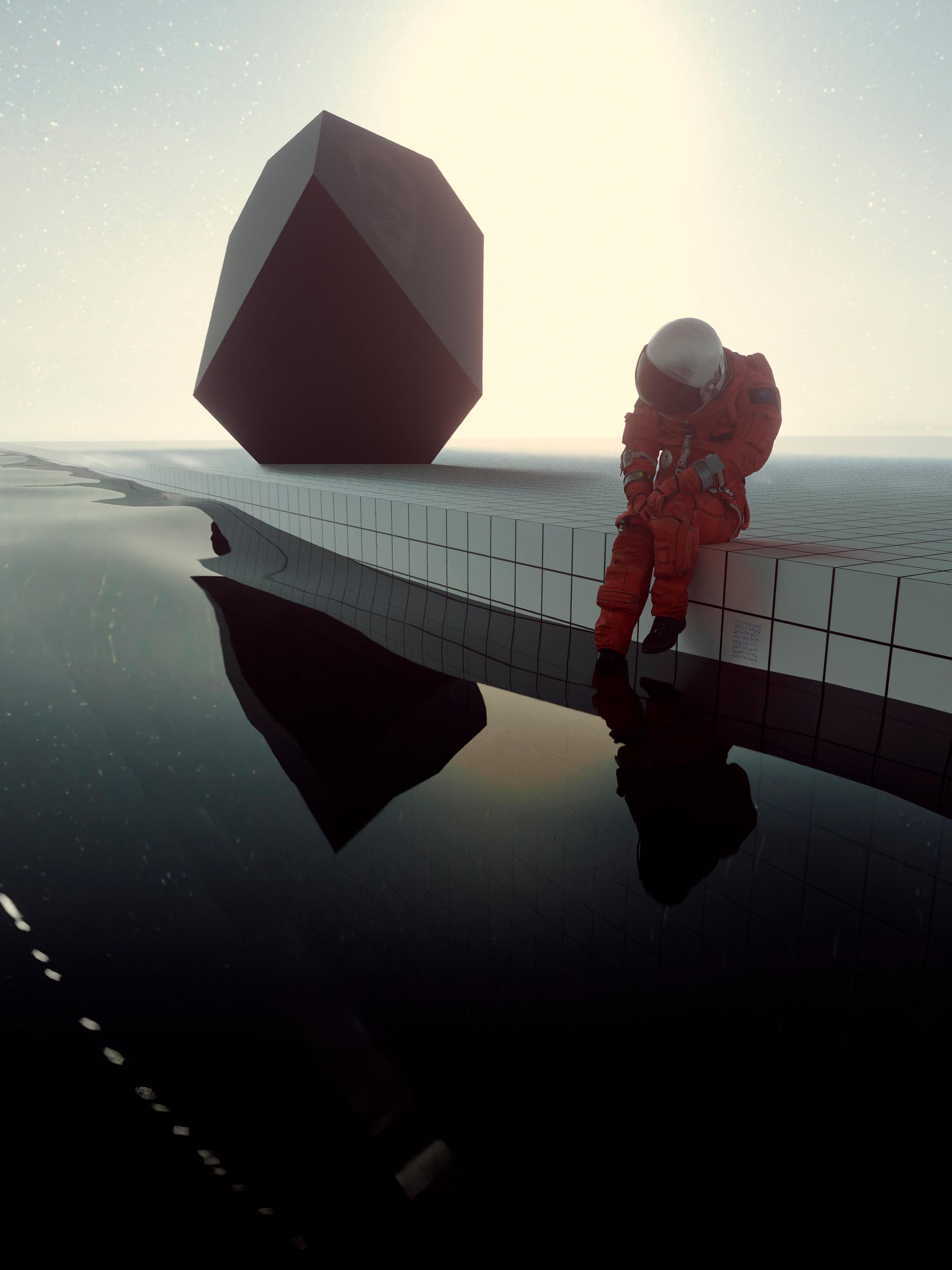
At the Museon Arlaten, Guillaume Pascale reboots Dürer’s 1514 engraving Melencolia I, its dejected angel surrounded by useless scientific instruments, and transposes that helplessness onto orbital space. Satellites, probes, and planetary databases extend the same surveying logic that once served Renaissance cartographers and colonizers, now aimed at low Earth orbit as an extraction frontier. An astronaut in the installation watches a satellite train reflected below him rather than above, inverting the expected gaze. A machinima built from Google Earth imagery shows the future sites of data centers folded into ordinary landscape. Three steel monoliths reproduce Agrippa’s magic squares for Jupiter, Mars, and Saturn, and two zellige mosaics encode cosmological equations in binary. A final plexiglas polyhedron modeled on a Dürer solid runs a program that tries, and fails, to fit cosmological constants into a magic square.
The exhibition opens Friday 9 October at 18:00 with an astro-musical performance, Astromusique 11: Vénus. Free entry, ticket collected opposite the venue at the Chapelle des Trinitaires. Salle du Consistoire, Museon Arlaten, 29 rue de la République, Tuesday to Sunday, 9:30 to 18:00. Vincent Moncho curates.
Voir le chant des oiseaux, Sébastien Thon
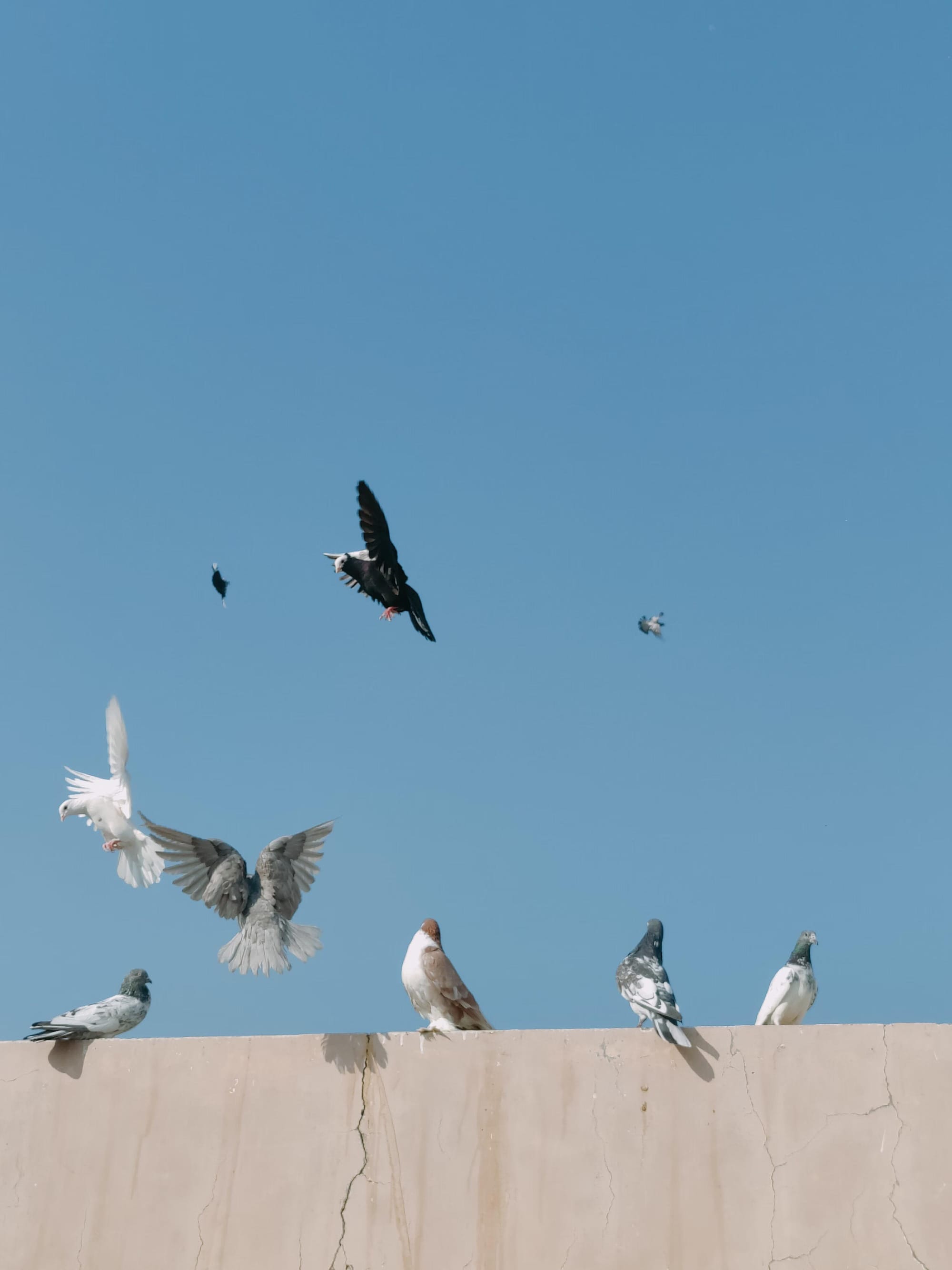
An ornithoscope, an augmented-reality observation lens modeled on naturalist spyglasses, sits in the gardens of La Verrerie, the neighborhood cultural space in Trinquetaille. Looking through it turns birdsong into shape, color, and light trails, converting the garden into what the artist calls a living score. Sessions run on 18, 21, 28 October and 4, 8 November. Free, open access, at 4 Place Léopold Moulias, Monday 14:00 to 18:00, Tuesday to Saturday 10:00 to 13:00 and 14:00 to 18:00.
706-54 Alinéa 2, Louise Chatelain
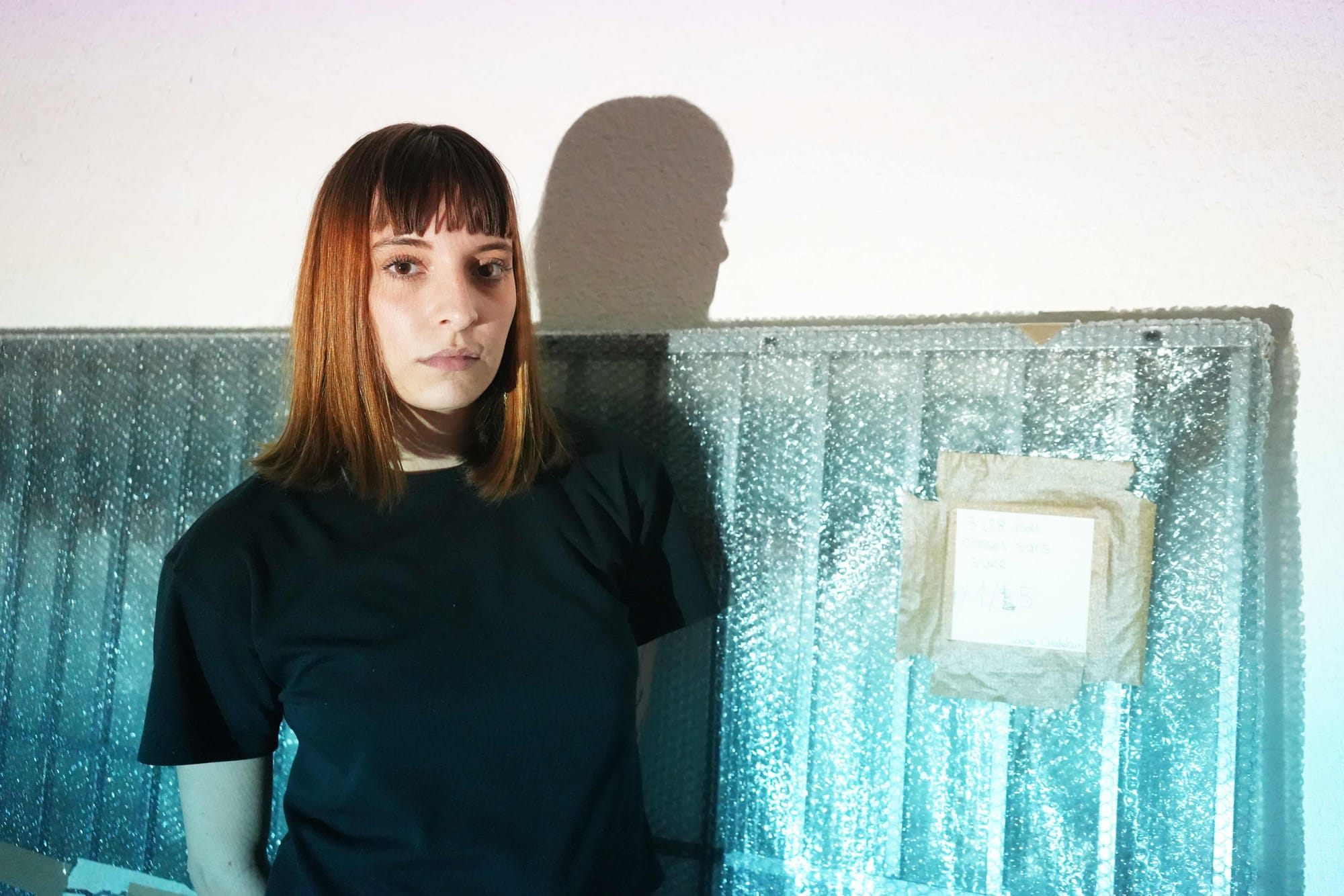
Chatelain, a 2025 ESAP Monaco graduate, works from autobiographical material tied to ordinary and domestic violence. The exhibition title cites the penal code article permitting DNA retention from suspects even without conviction, a bureaucratic detail she sets against sculptures, sound pieces, and administrative paperwork drawn from her own history. The framing invokes Nancy Fraser’s concept of counterpublics, spaces where people excluded from dominant discourse build their own vocabulary for naming what usually goes unsaid. The installation moves through fragments, archives sitting next to personal memory, asking to be approached and read rather than simply viewed.
At the Galerie Arena, 16 rue des Arènes, 8 to 24 October, Monday to Friday, 12:00 to 16:00. Free. Organized by the Galerie Itinérante of FUP AIC (FEG/AMU) with Octobre Numérique and the association Arles Créative.
This is a trap, Igor Cardellini and Tomas Gonzalez
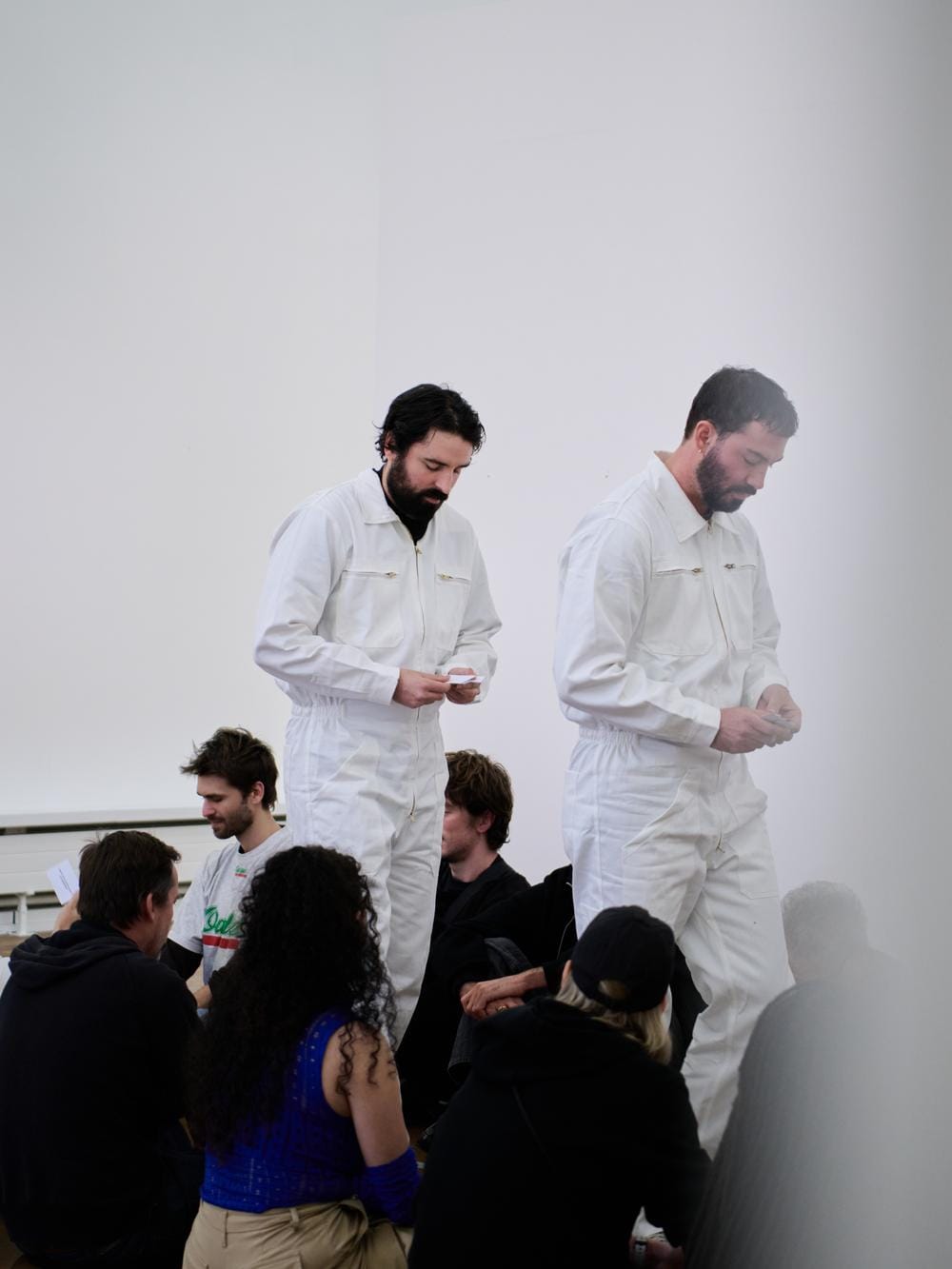
A street performance on Place de la République distributes instruction cards to the public, converting spectators into participants who must decide whether to act on what the cards ask. The piece tracks tipping points, the fragile moments when an established order wavers and other possibilities surface. Performances run Saturday 10 October at 11:00 and Sunday 11 October at 15:00, age 15 and up, free with reservation. Produced by Le Citron Jaune with Octobre Numérique.
ON:LIVE 2026: Back into the Club, Cherine Boubendir
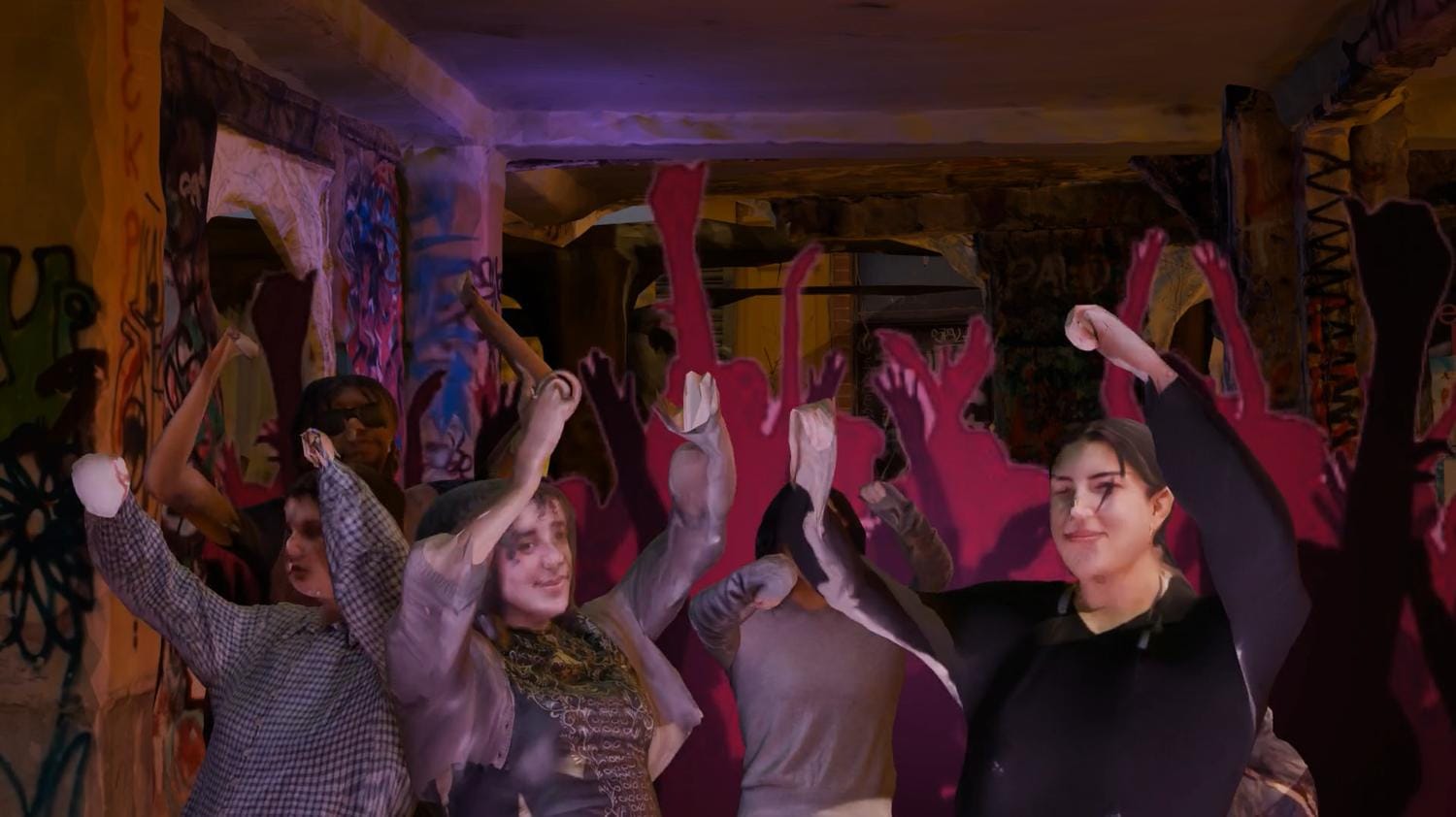
Octobre Numérique’s fully online curatorial platform, launched in 2025 with Babak Ahteshamipour’s work in partnership with VRAL, Milan Machinima Festival, and Matteo Bittanti, returns in 2026 with a new commission from Cherine Boubendir. The framing text names a specific pressure: the RIPOST law, which the festival describes as restricting collective celebration and controlling non-productive time, refuge spaces, and joyful margins. Boubendir’s response, a 19-minute 3D fiction-documentary, follows low-poly bodies with rough textures and unfinished clothing moving through a vanishing club world, cut in two synchronized versions, one horizontal and one vertical, sharing the same soundtrack. Real voices carry memories and laughter over the ruined imagery. The piece does not mourn the ruin. It celebrates what keeps living inside it.
Credits include sound design by Thioro Ndeye, narration by Anna Breton, and testimony from Lilas Zerouati, Max Peroy, Parella Armand, Nino Magarelli, Feryel Kaabeche, Tassiana Aït-Tahar, and Driss Tillais, with 3D scans by Peroy, Armand, Kaabeche, Tillais, Mattéo Sita, Violette Trevisol, and Ayssan Ahmadi. The work premieres exclusively on the festival’s website from 10 October to 8 November. Vincent Moncho curates.
Loading Rooms, Justine Lextrait
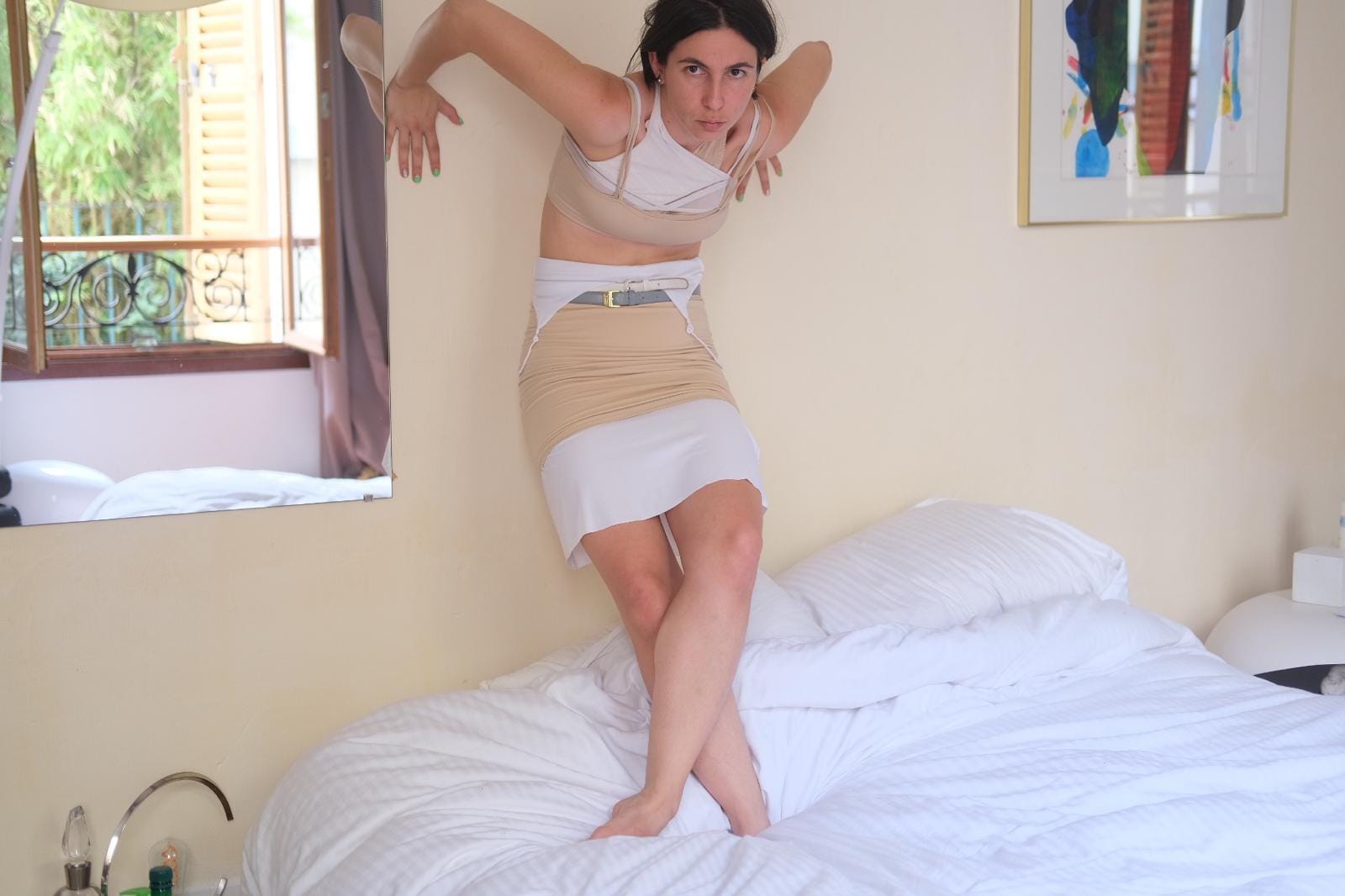
Lextrait’s book Loading rooms comes out with lundimatin in 2026, and the festival hosts an online performance built from it (date to be confirmed). The book collects 200 fragments, each opening with a variation on "We are x in my room", drawing on literary experimentation with camsex to examine what happens on the far side of the screen once pornographic imagery has saturated both imagination and global bandwidth. The room, usually the site of the private, gets dismantled attribute by attribute. The camera becomes a peephole through which the real gets gathered up. Registration required, access restricted to 18 and over, with a private connection link sent thirty minutes before the event.
Game Jam, with Nino Filiu
A collective marathon where developers, artists, musicians, and writers build a videogame from a theme revealed at the starting gun. Filiu, cofounder of the Distraction collective, has built experimental art games and organized residencies and festivals around narrative art games. Free and open, hosted on Discord, date and link to be announced.
Workshops
Le jeu vidéo, c’est de l’art? runs Wednesday 14 October at the library of the Hôtel Quiqueran de Beaujeu, 16 rue des Arènes, 10:30 to 12:30, ten euros, in partnership with Arles Créative and the Biennale Chroniques. It opens a discussion on why videogames increasingly appear in major museums and invites participants with no prior interest in games as readily as enthusiasts.
A digital illustration workshop at the Museon Arlaten on Wednesday 21 October, 15:00 to 17:00, ties directly to Guillaume Pascale’s installation and to Frédéric Mistral’s Rhône poem, capped at ten participants aged 10 to 15, free with registration.
Other features include Citizenfour, Astromusique 11: Vénus, Intelligence et sensibilité, Turning Porous, À l’écoute des rivières, a talk with Mia Trabalon, professional days, a machinima workshop for teens, an Art de faire workshop open to all, and further events including Fondation du Rien, Mujina into the deep, Cloud For Hiroshi, and a restitution of the EXTRA residency.
Visit the festival website for a full preview.