MAGAZINE: RESET MAGAZINE: KEPLER INTERACTIVE TURNS GAMES CRITICISM INTO A DESIGN OBJECT

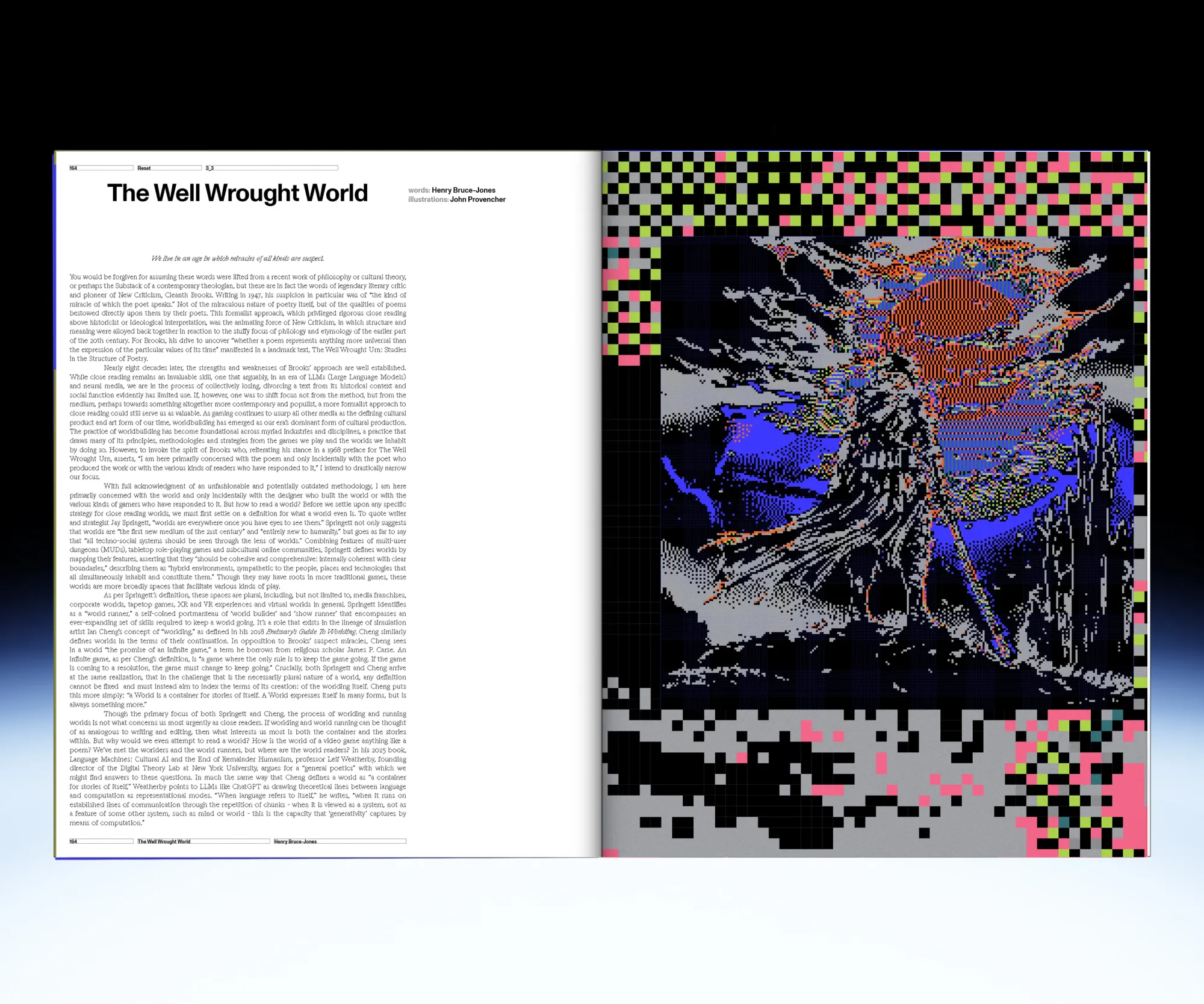
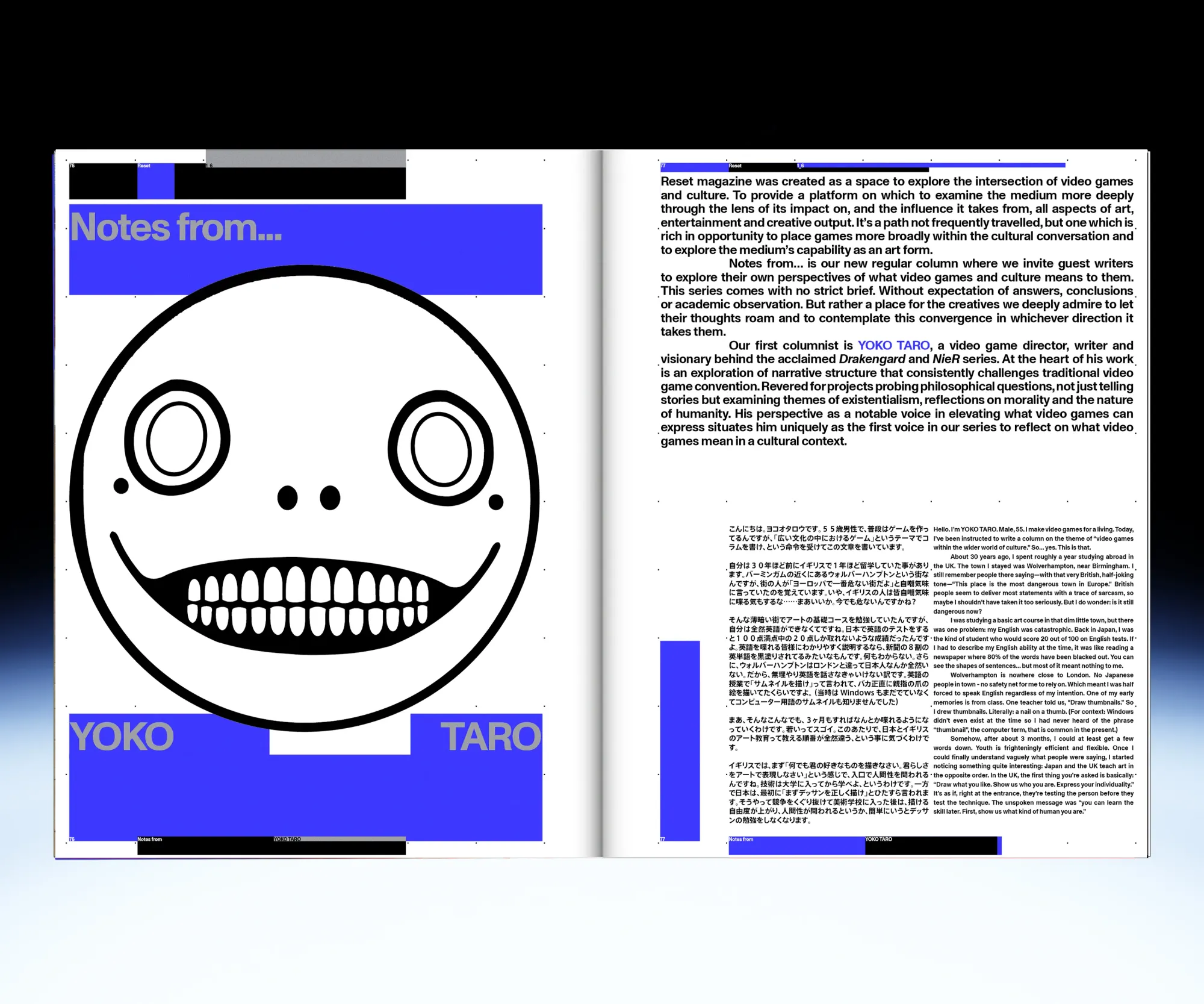
Kepler Interactive has launched Reset Magazine Issue 1, a large-format print publication devoted to video games as contemporary culture. Available for pre-order through Kepler’s online store and shipping from late May 2026, the debut issue runs 200 pages, measures 240 × 310 mm, and appears in three reverse-cover variants devoted to artists like Guillaume Broche, Mélanie Courtinat, and Yaku Stapleton. It is directed by Simon Sweeney, creative director at Kepler Interactive, and presents video games through art, architecture, fashion, music, design, and visual culture.
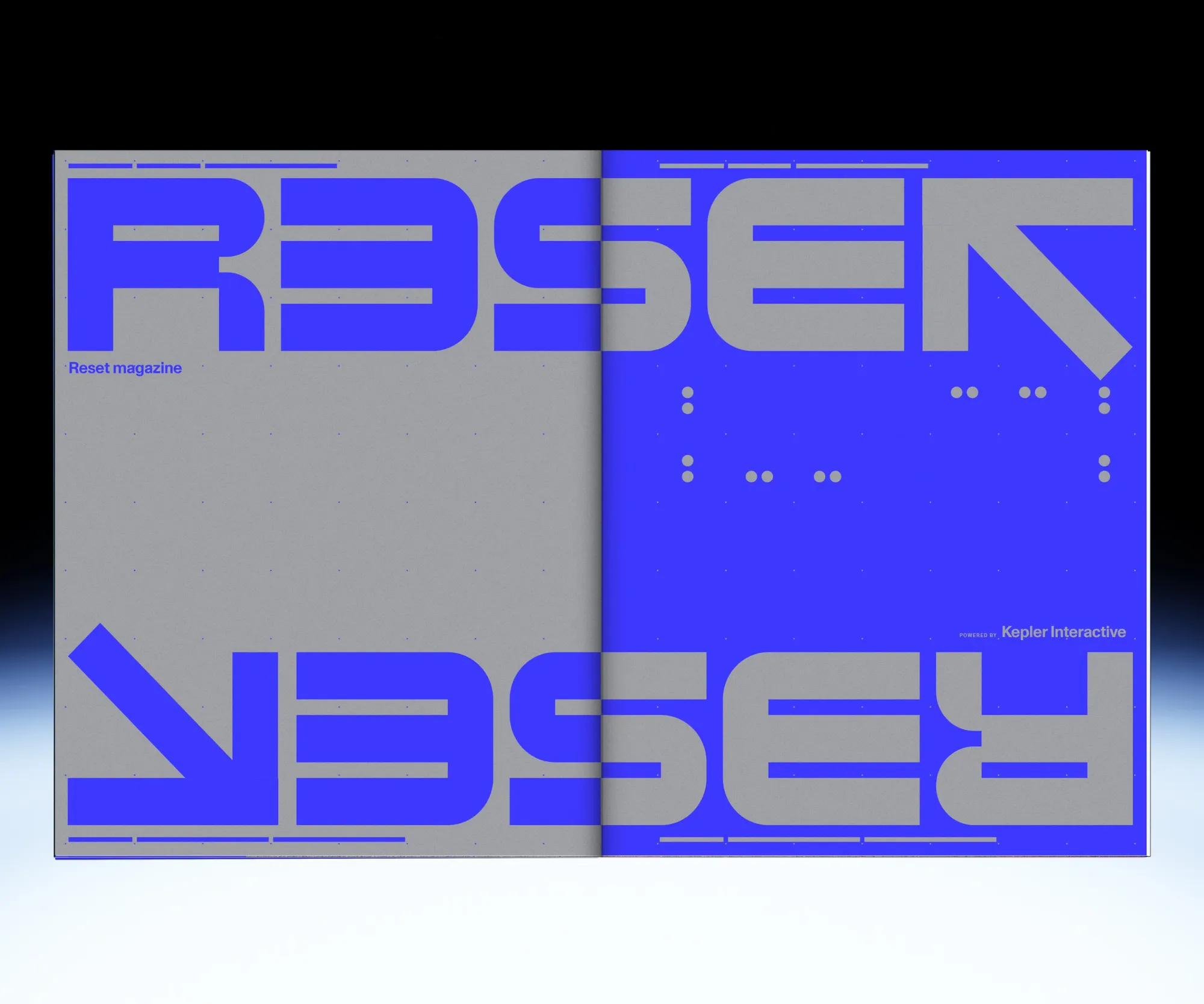
At first glance, Reset may seem distant from the conventional games magazine. It carries the memory of publications such as Famitsu and Edge, but its visual language points equally toward fashion editorials, design monographs, artist books, and independent culture magazines. This is a strategic shift: Reset begins from the premise that video games no longer need to petition for cultural legitimacy. They have already entered the visual vocabulary of designers, photographers, musicians, artists, and architects. The task now is to document those exchanges with the seriousness, style, and slowness that print can still provide.
The magazine arrives at a key moment. Game culture is saturated with previews, rankings, platform noise, influencer commentary, and franchise fatigue. Reset takes a completely different route: fewer screenshots, more graphic systems; fewer promotional beats, more conversations; fewer inherited formats, more attention to games as aesthetic, social, and material practice. It treats the magazine itself as an object, closer to a designed artefact than to a disposable supplement to the release calendar.

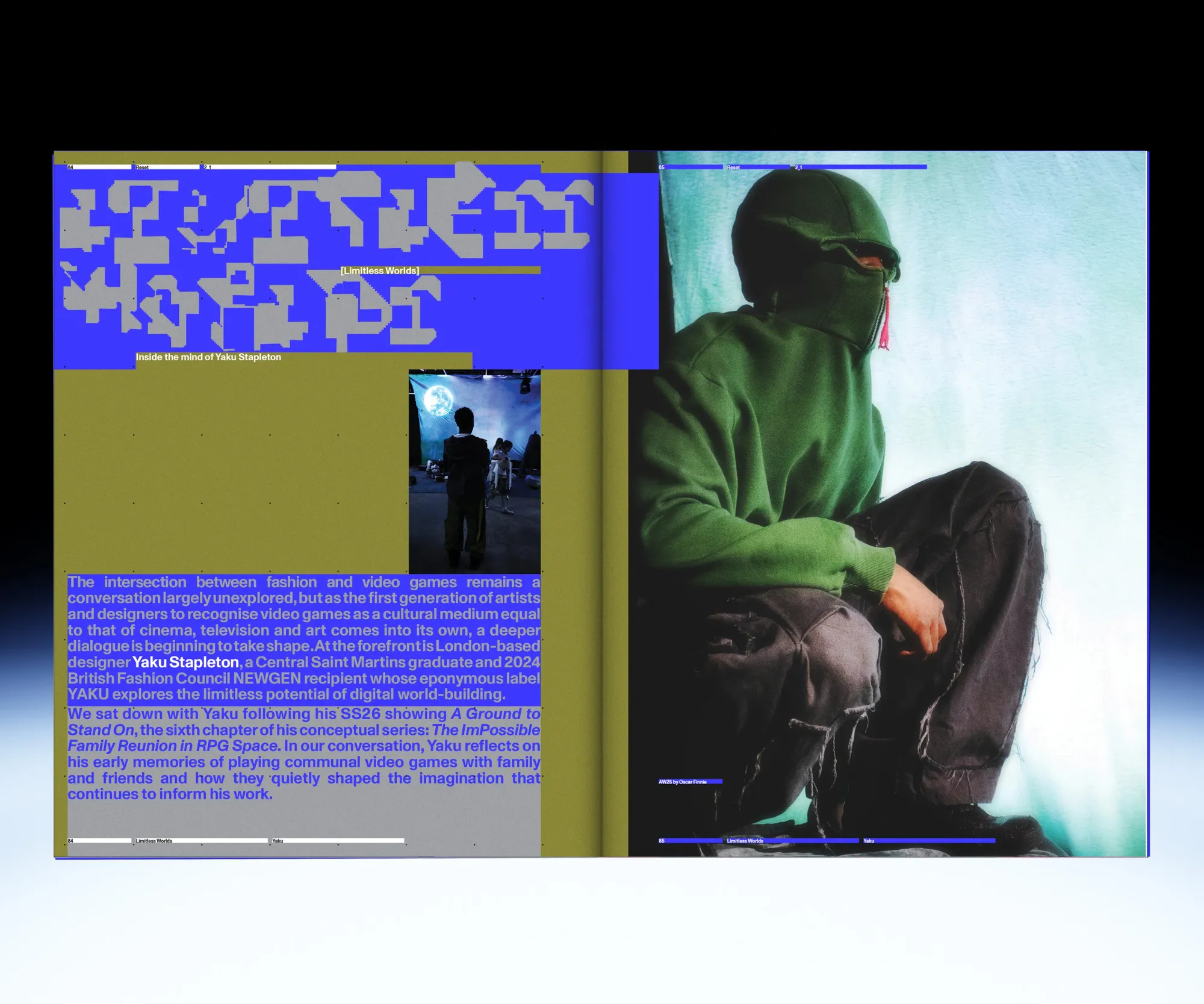
The first issue brings together figures who operate across several creative fields. Broche, creative director of Clair Obscur: Expedition 33, represents the authorial ambitions of contemporary game production. Courtinat’s practice draws from game structures, real-time engines, VR, CGI, and interactive systems, moving between exhibition contexts and commercial commissions. Stapleton, a London-based fashion designer, extends the conversation into clothing, identity, memory, and online youth culture. Elsewhere, the issue includes contributions or conversations involving Yoko Taro, Thomas Grip, Darren Wall, Liam Wong, Gregorios Kythreotis, Ville Kallio, Peow, Mike Sunday, and Zeobat.
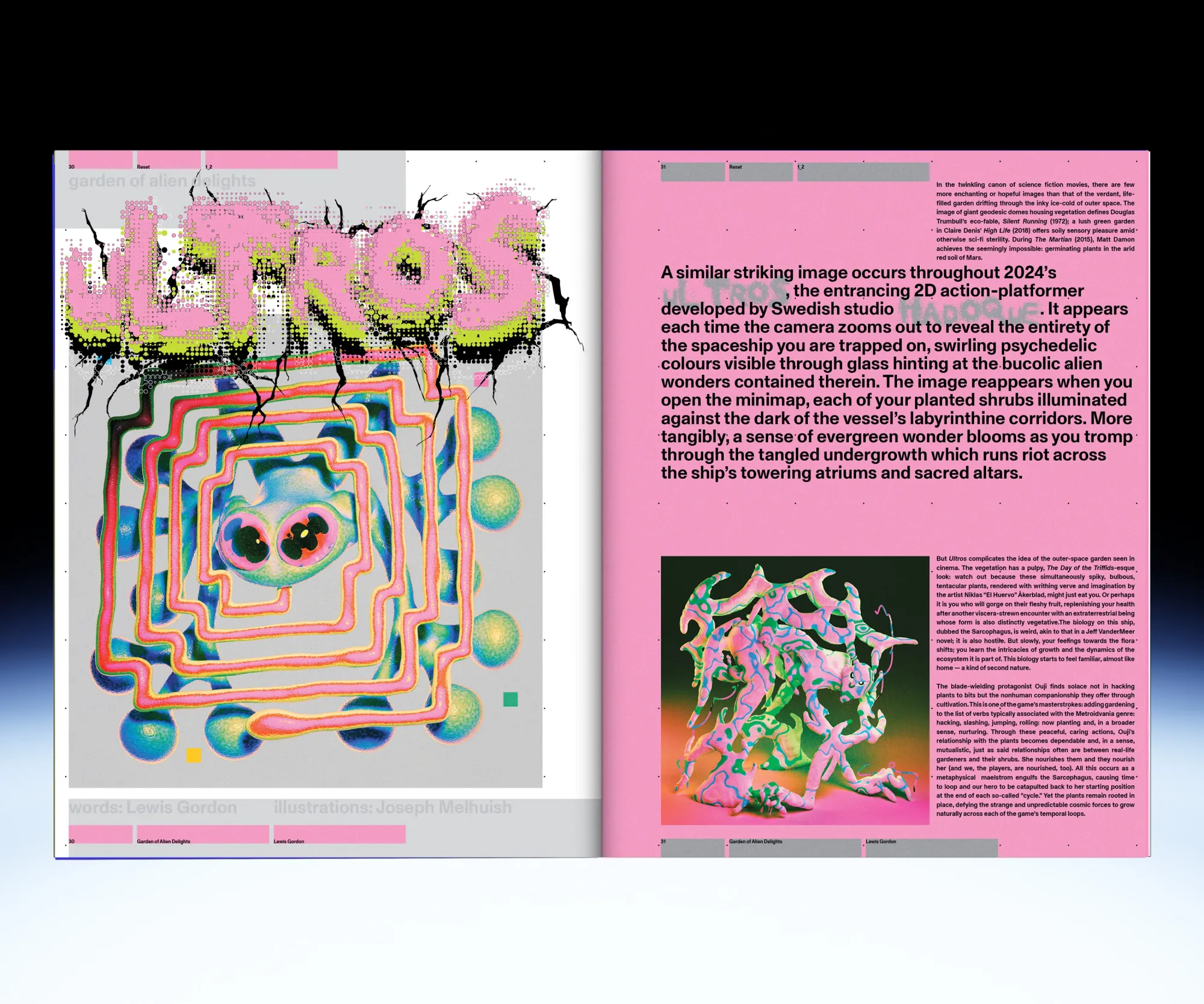
Kepler’s involvement gives Reset its institutional charge. The London-based publisher and creative studio has built a catalogue around visually assertive, design-led games, including Sifu, Tchia, Pacific Drive, Ultros, Bionic Bay, Rematch, and Clair Obscur: Expedition 33. With Reset, that sensibility moves into print: matter, analog, concrete. The magazine is produced by a game company, yet it refuses the logic of promotional collateral. It treats publishing as an extension of criticism, art direction, and cultural positioning rather than as a decorative appendage to the release calendar.
That is why Reset is relevant beyond its immediate editorial project: it treats video games as part of the same visual and intellectual field as contemporary art, fashion, photography, architecture, and experimental media. Game-based art, machinima, in-game photography, and artists’ moving-image practices have occupied this territory for years, often without the broader recognition they deserve. Reset enters from print culture and makes a related argument through form: games can be read through typography, layout, sequencing, paper, scale, and editorial tempo as much as through mechanics, narrative, or technical design.
Its European publishing context is not incidental. In France and across much of continental Europe, games have secured a more credible place within art criticism, design education, festivals, public institutions, and cultural policy(consider the excellent Immersion magazine). The United States, despite its enormous technical talent and industrial power, has too often reduced games discourse to platform loyalty, franchise maintenance, sales performance, fan appeasement, and release-cycle noise. The problem is not a lack of artists, designers, critics, or scholars.
It is the weakness of the surrounding cultural infrastructure.
This is why a magazine like Reset feels so difficult to imagine in the US. American game culture has a long history of invention, but its dominant institutions still struggle to sustain games as aesthetic and critical objects. The same contraction is visible in game design education, where many programmes now organise themselves around employability, engine proficiency, portfolio production, and industry pipelines. Artistic experimentation, critical theory, media history, and dialogue with contemporary art are increasingly treated as optional supplements. There is no place for art in American game design university programs: games are taught as software deliverables and career instruments, while their capacity to think through images, bodies, systems, spaces, and social behaviour is relegated to the margins.
Reset is therefore a title with polemical force. It proposes a change in frame. The old “games as art” debate has become sterile, partly because games have already transformed the visual languages of fashion, cinema, music, architecture, and contemporary art. The stronger question is no longer whether games deserve cultural legitimacy, but why so many institutions still lack the critical apparatus to understand what games have already done to culture.