CALL FOR PROPOSALS: DIGRA 2026 (DEADLINE: FEBRUARY 15 2026)

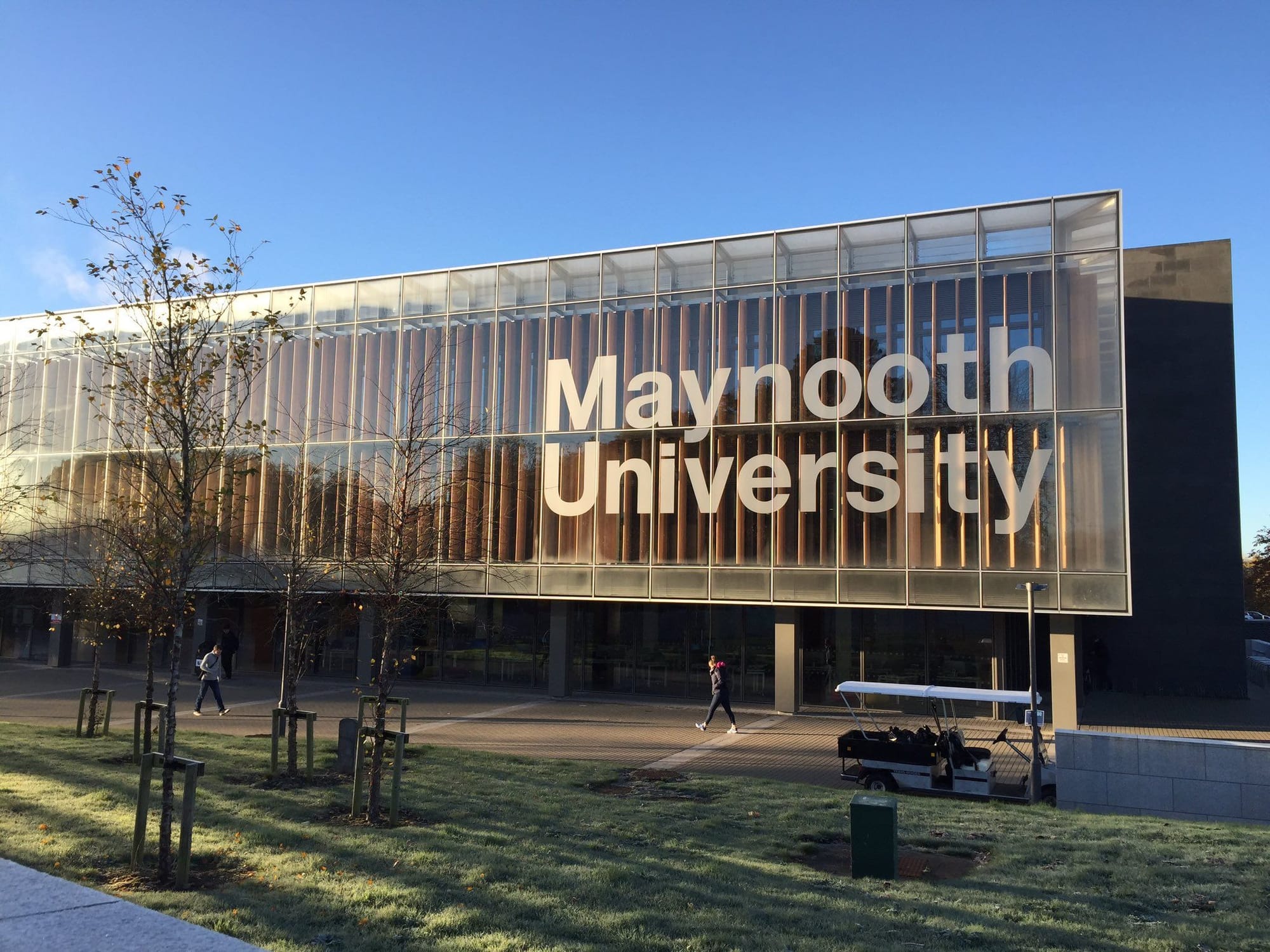
DiGRA 2026, the annual international conference of the Digital Games Research Association, will take place at Maynooth University (Ireland) from 14 to 18 June 2026, gathering scholars, designers, and artists around the theme “Intersectional Pleasures.”
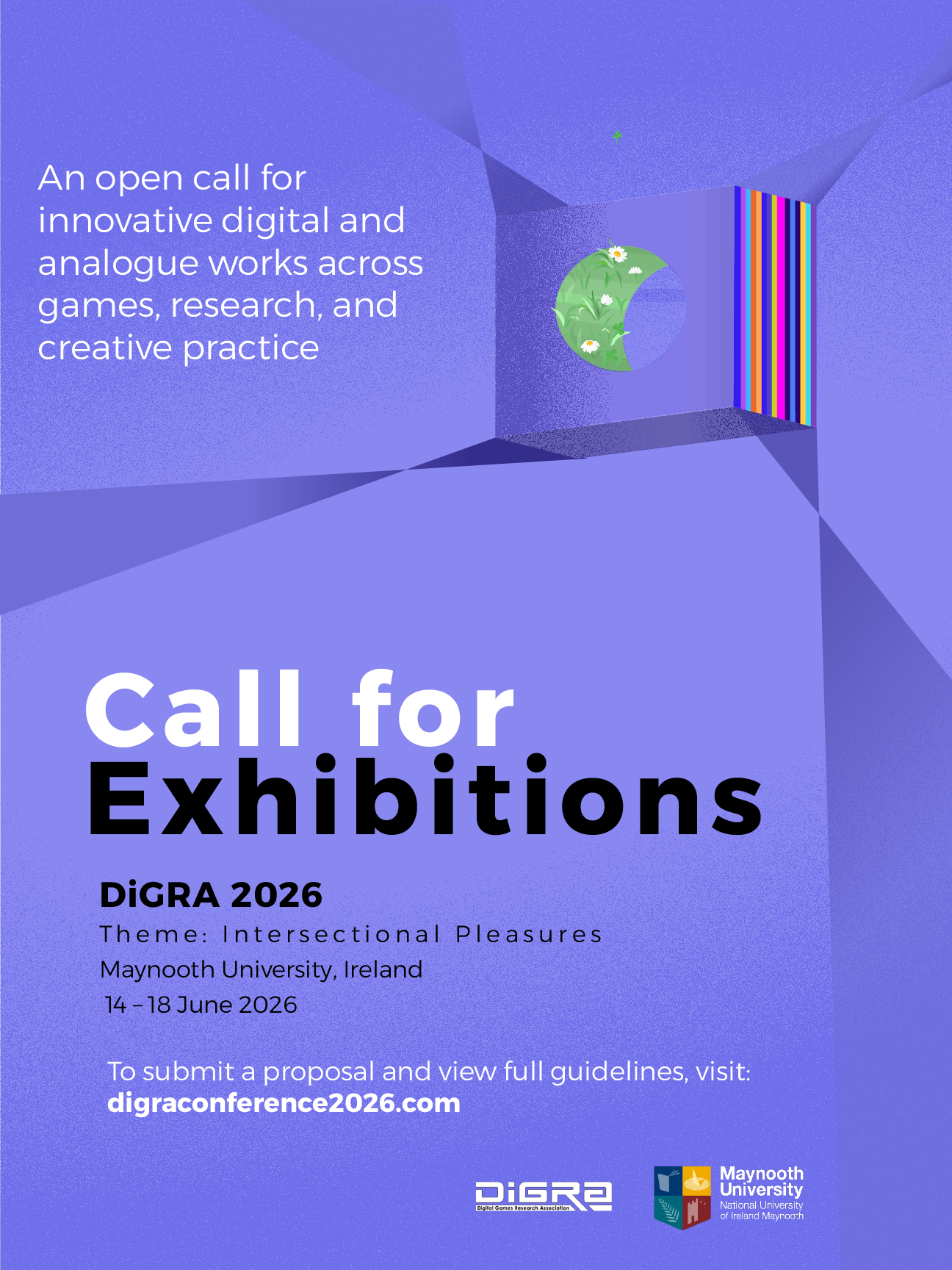
As part of the event, the organising committee has launched a Call for Exhibitions for an on-site Exhibition Showcase running throughout the conference. The showcase invites playable and visually compelling digital and analogue works that speak to the conference theme, or that engage broader critical questions in game design, game culture, and the production of ludic media.
Founded in 2003, DiGRA is a major scholarly association for researchers and professionals working on digital games and related phenomena, supporting research exchange and dissemination across disciplines. That remit increasingly includes practice-based research, experimental design, and gallery-facing work, contexts where “game studies” meets production, aesthetics, and institutional display.
The Maynooth edition foregrounds those crossings explicitly. On the conference site, the organisers frame “Intersectional Pleasures” as an invitation to examine how games (digital, analogue, hybrid) enable, mediate, or restrict pleasure across lines of identity, genre, platforms, politics, and more, keeping “pleasure” in view as an affective and cultural problem, not a throwaway category.
Selected exhibits will be installed either in the main conference lobby area or in the newly launched Humanities Electronic Arts and Research Technology (HEART) lab, described by the organisers as a creative-industry-facing immersive digital electronic arts lab.
The conference itself is supported by Maynooth University’s Arts and Humanities Institute (AHI) and the university’s Departments of Computer Science and Media Studies, positioning DiGRA 2026 as a cross-faculty platform rather than a siloed disciplinary meeting.
The exhibition call is open to:
- Game developers, including independent teams and individuals
- Researchers and research groups
- Students (capstone projects, coursework, student teams)
- Artists working with interactive media and installation formats
The submission form asks applicants to indicate the context of the work (for example: student project, indie development, or academic/other), while keeping the selection criteria centred on the work’s capacity to generate informed discussion among conference attendees.
Proposals must be submitted via the official online form linked on the conference site. The organisers request the following core information:
- Title of work and contact details
- A 200–300 word summary describing concept and interaction (including the thematic stakes in relation to DiGRA 2026)
- Links to supplementary media (images and/or video documentation)
- Requested exhibition dates during the conference window
- Space requirements (footprint, mounting needs, environmental conditions such as low light or quiet)
- Technology support requirements, including whether internet access is needed and a full equipment list
A key logistical point: proposers are encouraged to provide their own specialised or proprietary hardware where possible. The conference will confirm what basic infrastructure it can supply (tables, chairs, standard power, Wi-Fi) once exhibits are accepted.
Key dates
- Submission deadline: 15 February 2026, 23:59
- Notification of acceptance: 1 March 2026
- Exhibition dates: 14–18 June 2026 (running across the conference period)