EVENT: 0-99. THE DESIGN OF PLAY (APRIL 10–MAY 10 2026, MILAN)

10 April–May 10 2026
Via Borromeo 41 Cesano Maderno
Milan, Italy
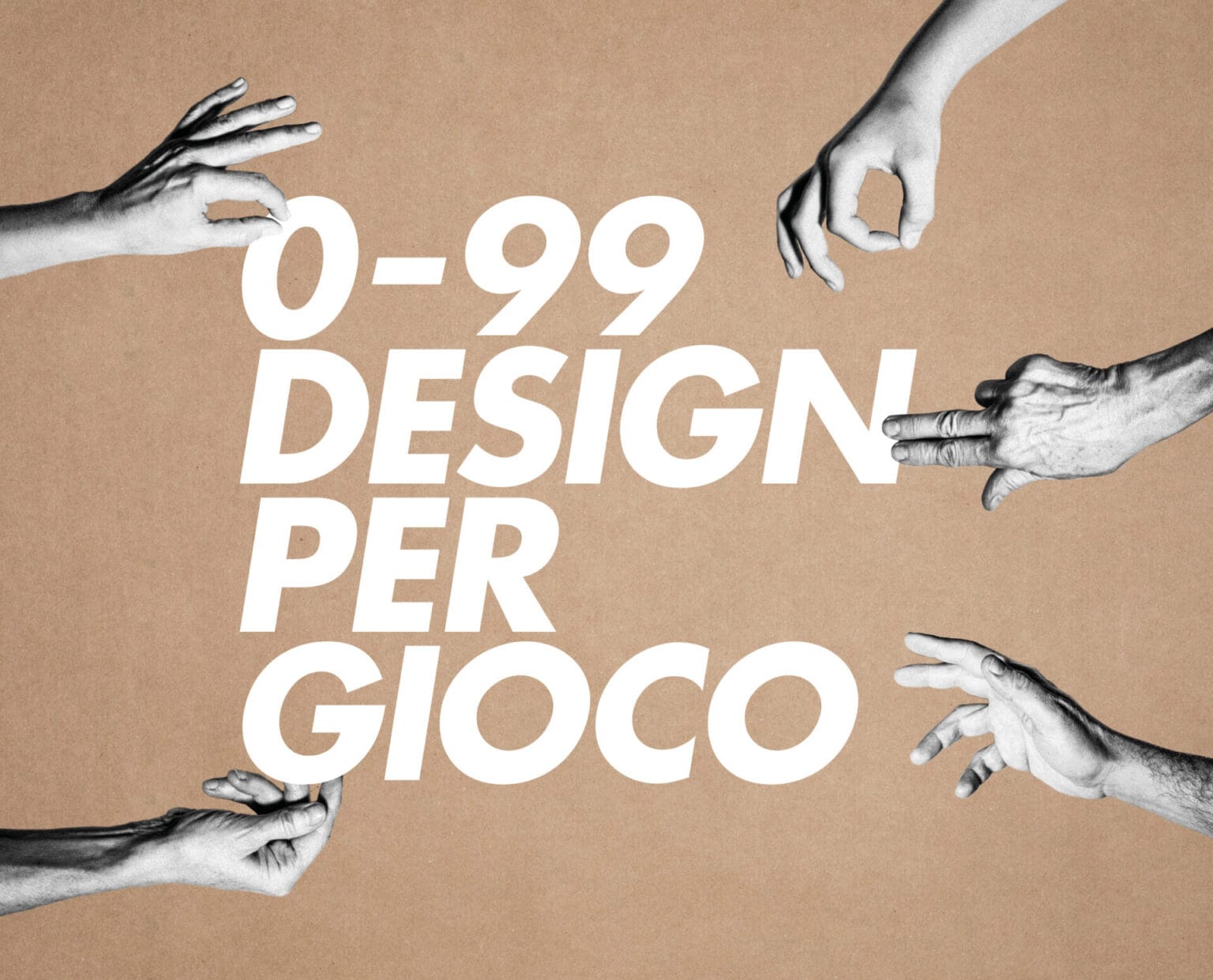
During this year’s Milano Design Week, one exhibition has quietly stepped outside the gravitational pull of the city’s endless and frankly overwhelming itinerary. 0–99. Design per gioco, on view at Palazzo Arese Borromeo in Cesano Maderno (10 April–10 May 2026), proposes the board game as artefact, social protocol and historical medium.
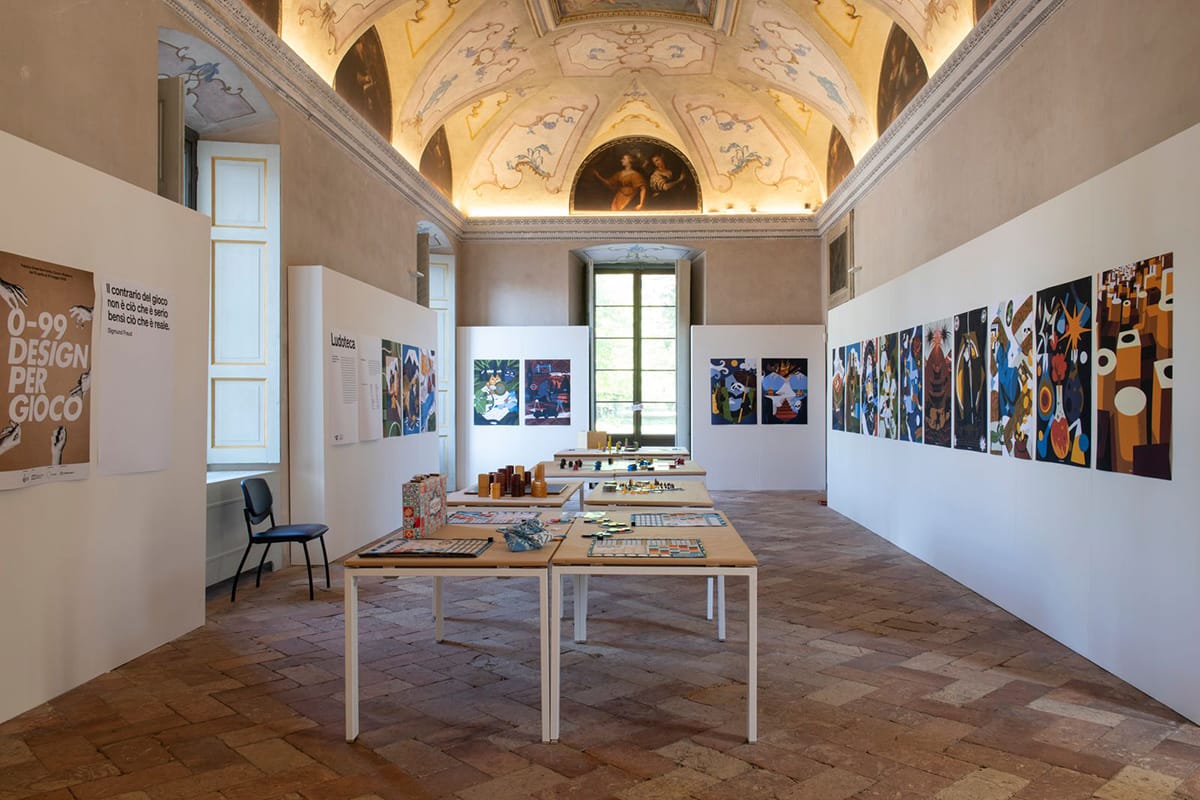
Promoted by the Comune di Cesano Maderno and set within a spectacular seventeenth-century residence turned cultural venue, the exhibition appears modestly apart — both geographically and conceptually — from the fair’s more commercial orbit. Notably, its dates bracket Fuorisalone (20–26 April), beginning before and continuing after, as if to insist on a tempo of its own.
That dislocation is spatial as much as temporal. Constructed for Bartolomeo III Arese, the frescoed palazzo still preserves the formal gardens and ornate gestures of Brianza’s aristocratic domesticity. In this setting, 0–99 acquires an architectural resonance: games are recast as designed interfaces embedded within histories of ornament, ritual, and sociability.
The exhibition opens with thirty ancient titles — from the Royal Game of Ur to Go, chess, dominoes, cards and tombola — before moving through twentieth-century staples such as Connect Four, Clue, Monopoly and Risk, the latter expanded into a 90-square-metre playable field. The chronology condenses millennia into a horizontal line: from archaeological artefact to mass distribution, from temple to tabletop. The curators’ temporal compression feels deliberate, suggesting that the board game’s material continuity resists clear divisions between craft, play and industrial design.
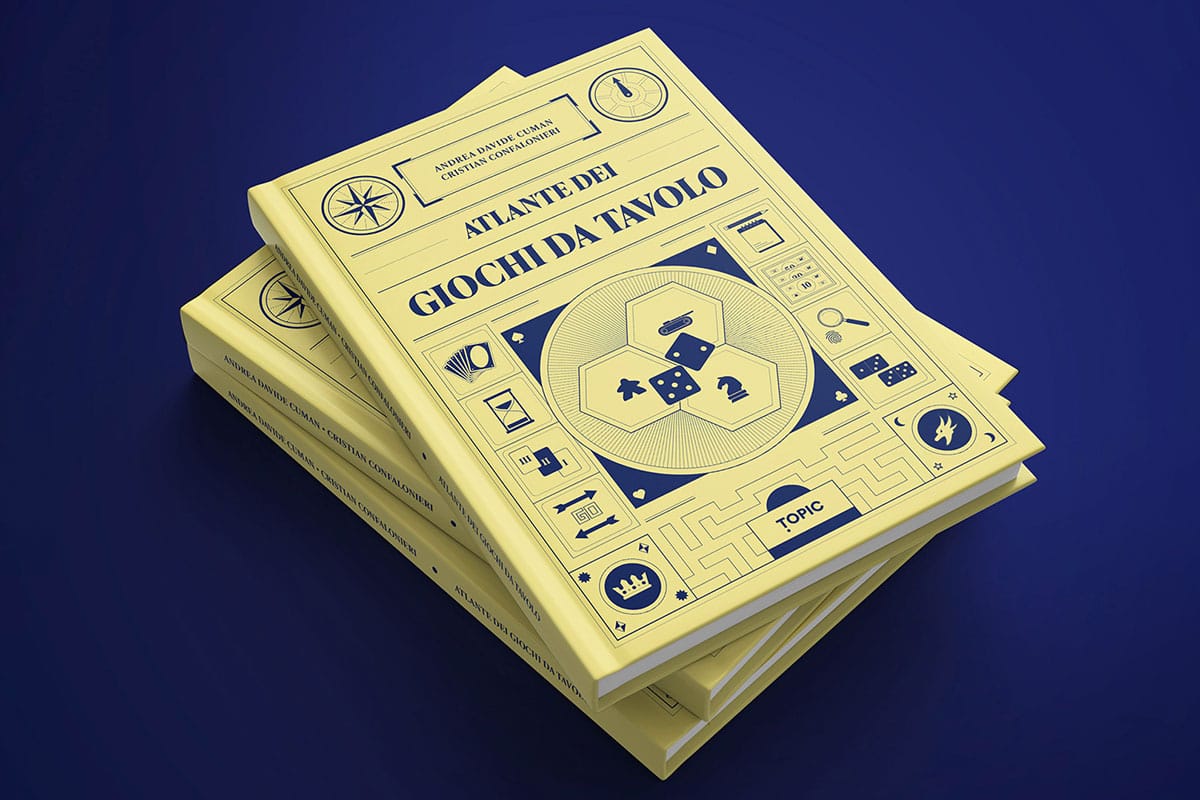
The title’s literalism becomes conceptual: “0–99” reproduces the all-ages label printed on countless game boxes, reframed here as an inclusive gesture. Conceived by Cristian Confalonieri — co-founder of Studiolabo and Fuorisalone.it — with Alessia Interlandi, and grounded in Confalonieri and Andrea Cuman’s Atlante dei giochi da tavolo (Topic Edizioni, 2024), the exhibition carries an unusual degree of bibliographic rigour for design week standards.
Among its chapters, the section on authorship registers as its conceptual anchor. Two rooms are dedicated to Alex Randolph, a pioneer in the formal recognition of game designers, and include Luca Bitonte’s 2022 documentary Alex Randolph, regista di giochi. The curatorial insistence on naming — on acknowledging the game’s author in the manner of a furniture or industrial designer — performs an important correction. Authorship, long diluted in the rhetoric of pastime, is reasserted as a form of creative labour and design.
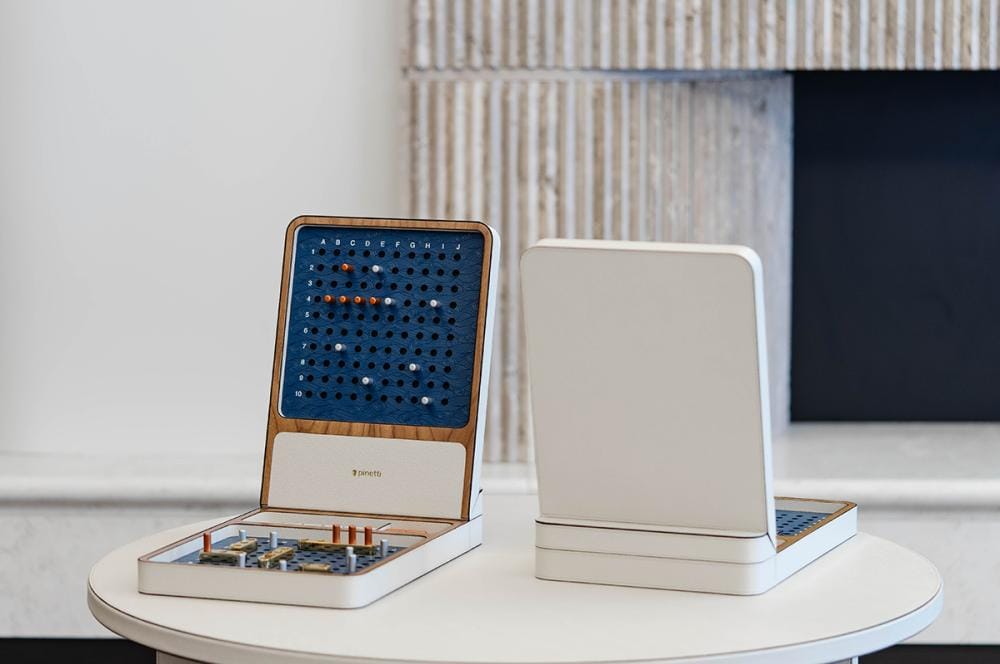
Elsewhere, the show oscillates toward material experiment: a Carrom table by Vismara Design, Gianfranco Frattini’s steel chess set, Valeria Molinari’s woven Backgammon carpet, Pinetti’s Battaglia navale (Battleship) in leather and wood (see photo), Pineider’s Gioco dell’oca (Game of the Goose). Spartaco Albertarelli’s La scrivania del game designer, paired with cabinetmaker Pierluigi Ghianda’s desk, literalises the bridge between imagination and fabrication — the space where ludic thought meets its material double. The path concludes with memorIA, an AI-driven game by Studiolabo and Silvia Badalotti, and a playable ludoteca — a simple but necessary closure, since games, after all, exist only in play.
What lends 0–99 its real pertinence is not the current resurgence of tabletop culture but its integration into contemporary design and scholarly frameworks. Journals such as Board Game Studies now approach these systems with the same analytic seriousness once reserved for architecture or film. In this context, the exhibition operates as a clearly defined argument: games articulate rules, relations and negotiations that predate — and clearly outlast — their digital descendants.
Before interfaces glowed with electricity, they were carved, printed and folded; before avatars, there were tokens. 0–99. Design per gioco reminds us that design history’s ludic imagination begins not with computation but with cardboard, dice and the choreography of human hands around a wooden board.