EVENT: GRAY AREA GDC EXTRAVAGANZA (MARCH 6–15 2026, SAN FRANCISCO)

Gray Area / Grand Theater
2665 Mission Street
San Francisco, CA 94110
Each spring, GDC transforms downtown San Francisco into one of the densest concentrations of game industry activity in the world. Publishers, engine developers, and platform holders gather inside the Moscone Center to announce technical roadmaps and commercial strategies. The scale is immense, and the logic predominantly market-driven. Against this backdrop, Gray Area, located in the Mission District roughly three miles south, runs a parallel programme during the same week, foregrounding experimental games, artist-made simulations, and forms of interactive storytelling that operate entirely outside industry discourse.
Founded in 2004 as a nonprofit cultural incubator, Gray Area has positioned itself as one of the few American institutions consistently committed to the intersection of contemporary art, digital culture, and social engagement. Its GDC programming is not incidental to this mission. By scheduling events during the industry’s most concentrated week, the organisation implicitly poses a question: what does the medium become when released from commercial imperatives?
The week opens on 6 March with a salon led by Auriea Harvey, one of the defining figures in the history of game art. Harvey first emerged in the late 1990s through Entropy8Zuper!, the net.art collective she co-founded with Michaël Samyn, whose work navigated the aesthetic possibilities of early web culture with a sensibility closer to poetry than programming. Together, they later founded Tale of Tales, a Belgian studio whose output consistently challenged the conventions of the form. The Path (2009) reworked Little Red Riding Hood into a fragmented meditation on danger and transgression. Sunset (2015) reduced gameplay to the act of cleaning rooms while a civil war unfolds outside a window. Their contribution to game history lies precisely in having refused the medium’s dominant logic of conflict and reward.
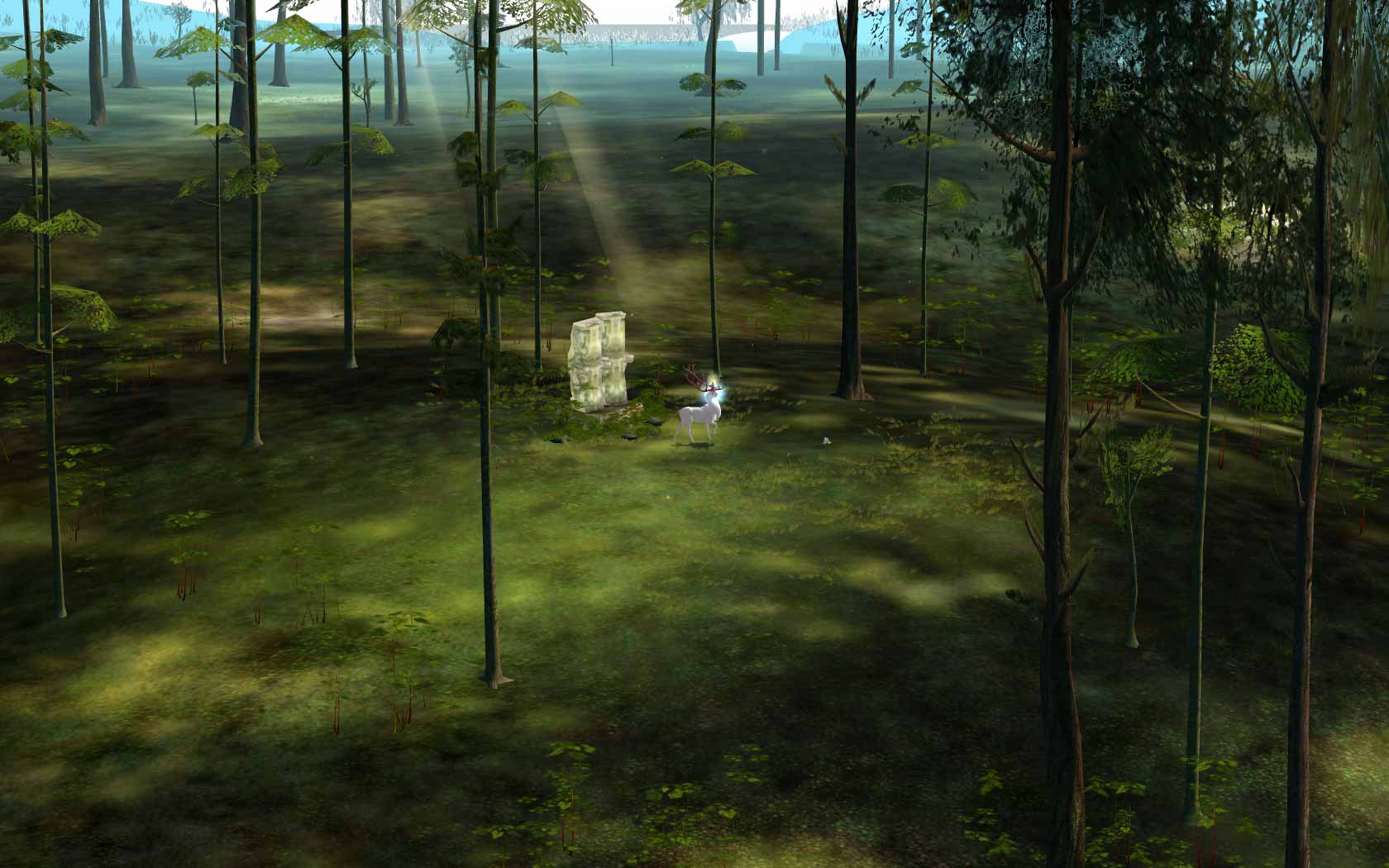
Harvey’s evening revisits The Endless Forest, the online world released by Tale of Tales in 2005. Players inhabit silent deer avatars wandering through a luminous woodland governed not by objectives but by collective ritual. Communication occurs entirely through gesture, movement, and bodily transformation. There is no text, no violence, no victory condition. In retrospect, the work anticipates much of what would later be explored in virtual social environments and the more contemplative corners of online world design, a precedent worth examining critically two decades on.
On 8 March, Gray Area hosts the return of Beyond Play, an annual forum organised by Villa Albertine in partnership with Institut français and Business France. Villa Albertine, the cultural organisation through which France maintains an active presence in the American art ecosystem, has used Beyond Play to advance a consistent argument: that games are not peripheral to contemporary culture but central to it, and that the Franco-American creative exchange across the medium remains underdeveloped relative to other art forms. Panel discussions examine artistic experimentation within game design, while the evening concludes with a networking reception connecting developers, curators, and cultural institutions across both countries.
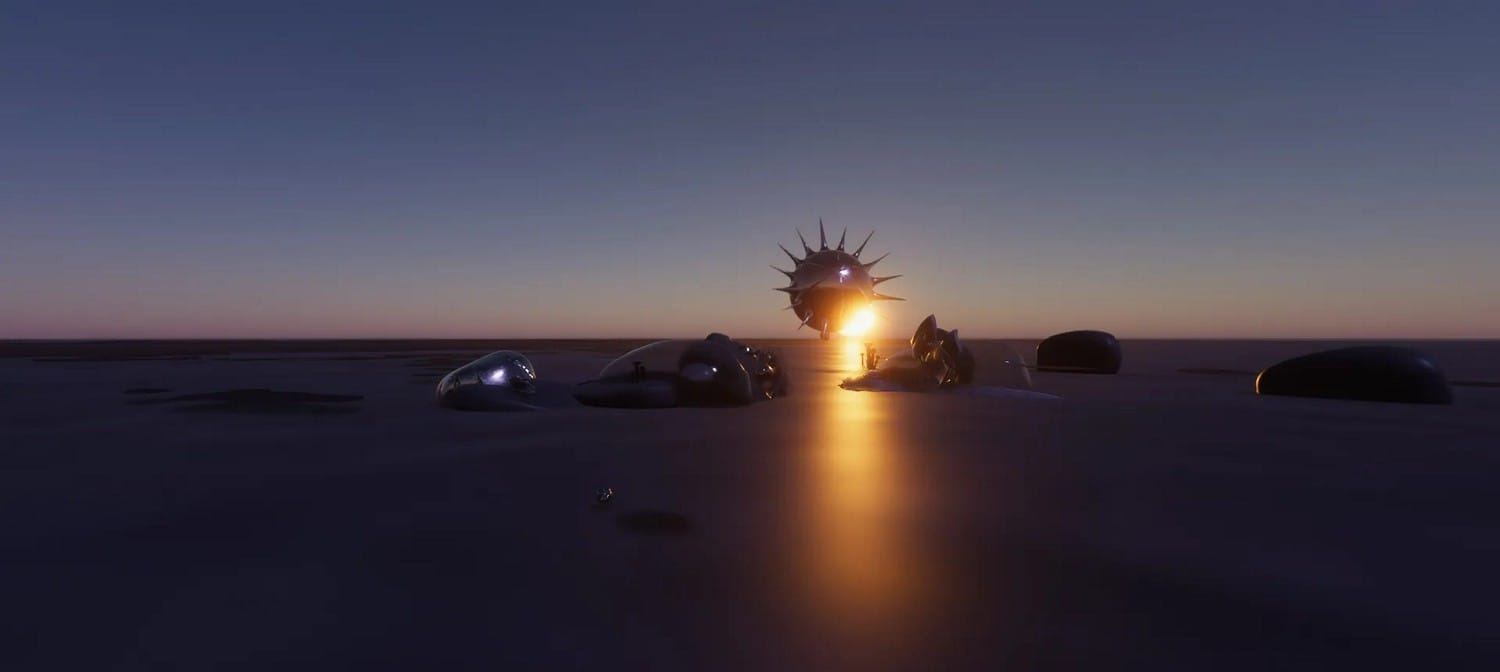
The week’s exhibition strand culminates on 12 March with the closing celebration of Unnatural – Of Humus & Artifact, a solo presentation by Sandrine Deumier. The work constructs an interactive fiction environment speculating on futures in which technological synthesis reshapes spiritual belief and ecological perception. Visitors navigate a narrative space where organic matter, digital infrastructure, and ritual knowledge converge into a single cosmology. Deumier, who has worked between curatorial practice and artistic production for much of the past decade, has been a persistent advocate for videogames as a legitimate medium for contemporary artistic inquiry. Unnatural extends this position into speculative territory, treating the digital environment not as representation of the natural world but as its own kind of ecology.
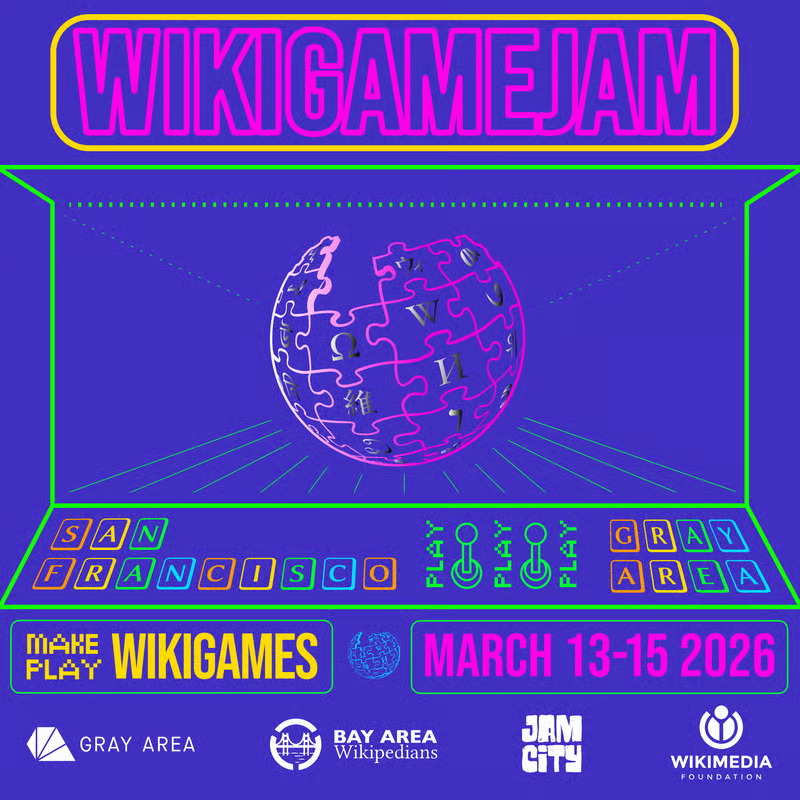
Immediately following the conference, Gray Area continues its programme with WikiGameJam SF, a three-day collaborative event running from 13 to 15 March. Designers, artists, writers, and contributors from the Wikimedia Foundation community work together to develop experimental game prototypes built from open-access encyclopedic resources. The premise is pointed: Wikipedia’s vast, collectively authored archives, themselves a model of distributed knowledge production, become raw material for narrative and playful systems. The convergence raises productive questions about authorship, public knowledge, and the forms of storytelling that emerge from freely available cultural data.
Also visible throughout the week is a lobby preview of Five Wells, a project in development by Nicholas Delap. The work constructs a speculative landscape from photogrammetric scans of ancient Celtic ritual sites, stones, wells, and ceremonial enclosures rendered as fragmented digital surfaces. The methodology places archaeological documentation adjacent to worldbuilding, situating the game engine as a medium capable of holding empirical record and mythic reconstruction simultaneously.
This programme offers something the Moscone Center does not: a space for considering what the medium might mean when evaluated on aesthetic, conceptual, and cultural terms rather than market ones. Monetisation models and platform ecosystems dominate the industry conversation across the city. At Gray Area, the question is: What imaginative, political, or perceptual work can digital environments perform that no other form can?