BOOK: PASCAL GRECO’S PHOTOGRAPHIE, JEU VIDEO, PAYSAGE / PHOTOGRAPHY, VIDEO GAME, LANDSCAPE (2025)

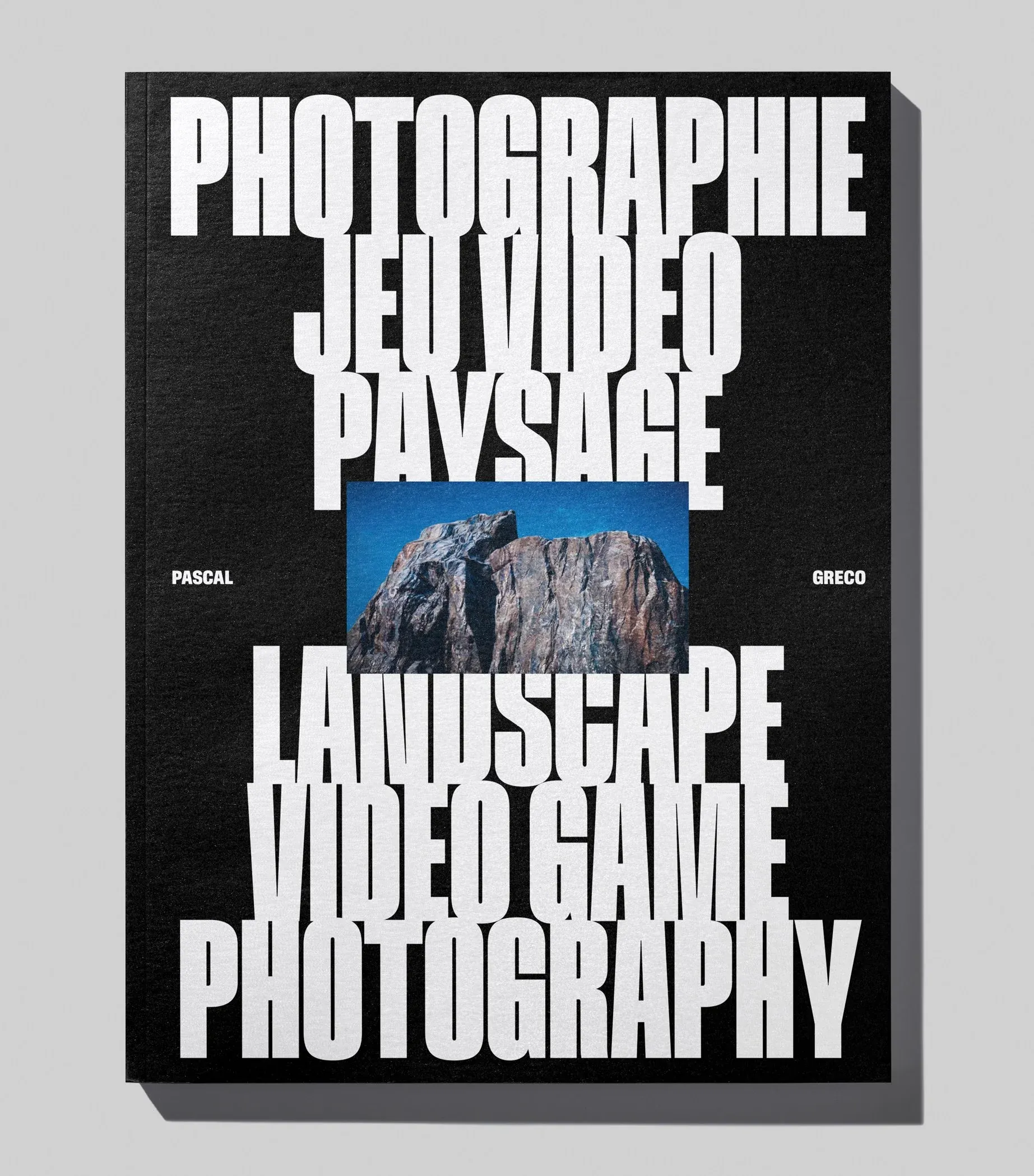
Photography, Video Game, Landscape (Editions IDPURE, 2025), 128 pages, 30 × 22.5 cm, 76 photographs, French/English; with contributions by Claus Gunti and Matteo Bittanti, plus a conversation with Nadine Franci.
Pascal Greco’s new monograph, Photography, Video Game, Landscape, extends a practice that has steadily shifted in-game photography away from novelty and towards photographic inquiry. Published by Editions IDPURE (December 2025), the book gathers 128 pages of images made across a selection of contemporary open worlds, spaces Greco approaches less as “virtual settings” than as places to be surveyed, framed, and returned to with the patience of landscape work.
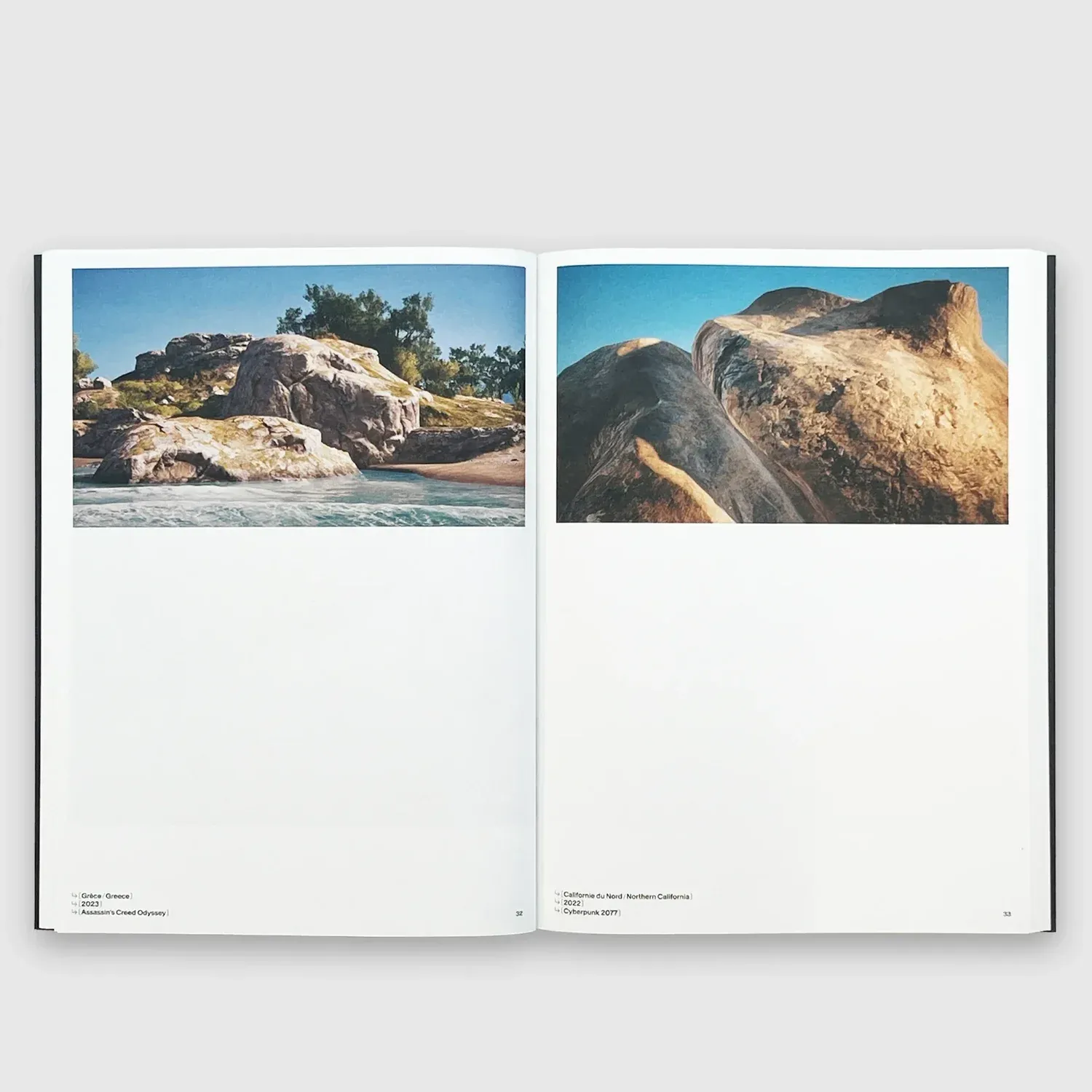
The project follows Greco’s earlier Place(s) (2022), which began during lockdown with Death Stranding: confined to an apartment, he used the game’s austere expanses as a substitute horizon, a way of thinking photographically when travel and fieldwork were suspended. The new book presents the longer arc that came after: four years of sustained wandering across a dozen titles, from Far Cry 6’s Caribbean to Assassin’s Creed Odyssey’s Greece, Assassin’s Creed Shadows’ Japan, and the Californian neon of Cyberpunk 2077.
What matters here is not the checklist of destinations, but the method. The press material describes Greco “scrutinising, composing, photographing” as he translates habits from tangible space into the game, treating each digital region as if it were a site visit, not a backdrop. That attitude quietly refuses a familiar hierarchy in which the “real” landscape guarantees seriousness while the simulated one remains entertainment. Greco’s images argue – without grandstanding – that contemporary landscape experience is already hybrid: tourism, remote vision, platformed circulation, and synthetic imagery fold into how places are pictured and valued.
A key tension in the book is the relation between sensibility and realism. The accompanying texts frame Greco’s work as part of a broader need to rethink our relationship with images, especially now that synthetic visuals, automated feeds, and attention economies shape what counts as believable, desirable, or even memorable. Rather than treating “photorealism” as the benchmark, the project leans on a different claim: that an image can be politically and ethically charged through how it trains perception. In this sense, the landscapes are not attempts to fool the eye; they are exercises in how the eye is educated.
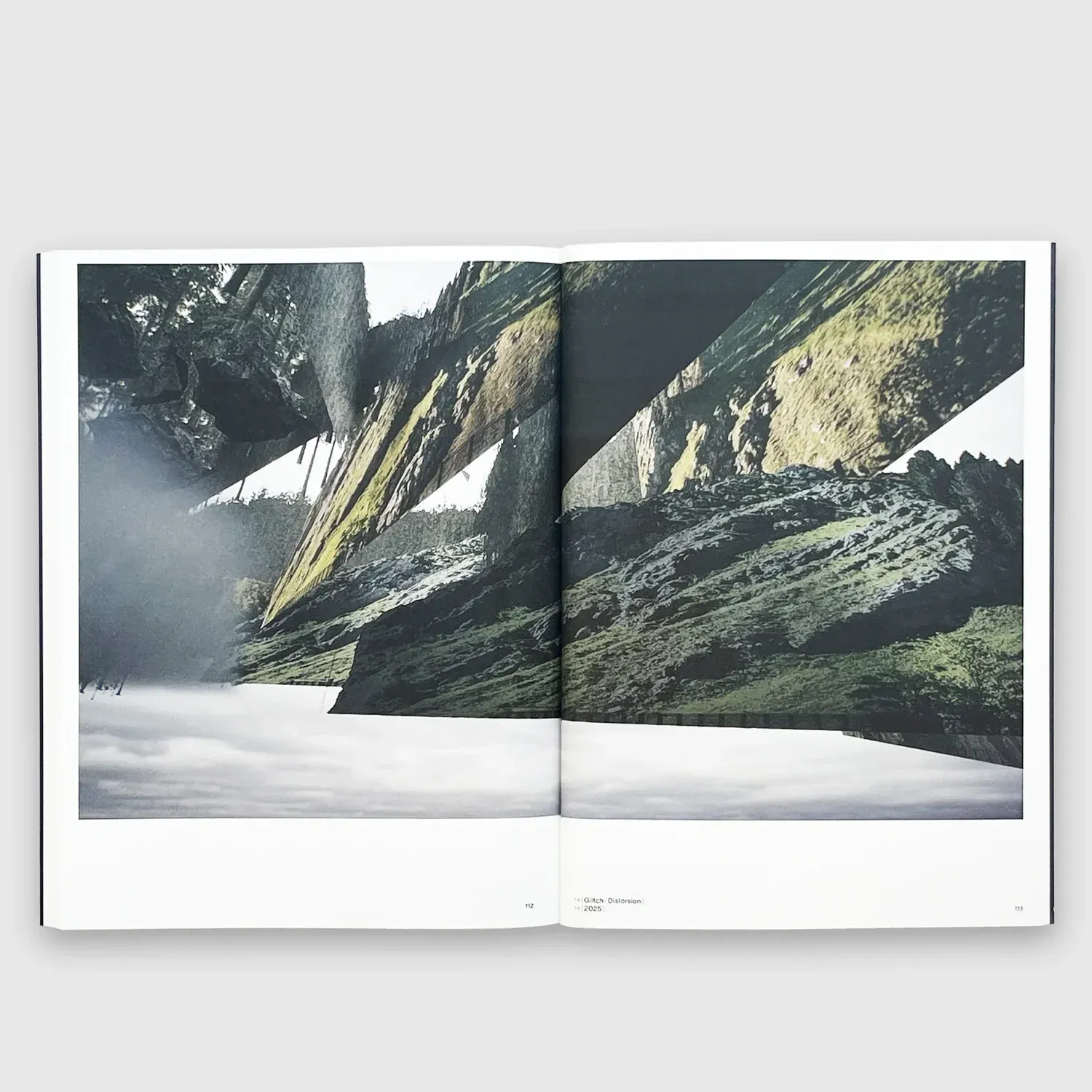
That shift is clearest in Greco’s willingness to keep the seams. The book description emphasises how virtual worlds are “sublimated… down to their inevitable glitches,” and how those small failures become a way to reflect on an increasingly fabricated reality. In other hands, glitch becomes a loud aesthetic; here it reads more like a punctual reminder that these vistas are engineered, built to be traversed, optimised, streamed, and updated. The “accident” is not a decorative flourish so much as a visible trace of infrastructure.
Material form reinforces the argument. Photography, Video Game, Landscape is a large-format softcover with 76 photographs. In moving images from screen to paper, Greco places them back into the long history of photographic objects: sequences, rhythms of viewing, shifts in scale, and the slow attention that books still demand. The result reads as a travelogue that is recognisable yet hard to locate, familiar textures and atmospheres, held at a slight remove.