EVENT: ANGELO CARERI, GRAND THEFT AUTO – CRIME & ARCHITECTURE (27 FEBRUARY 2026, LYON AND ONLINE)

Angelo Careri
Grand Theft Auto – Crime & architecture
Friday February 27 2026, 2 pm CET
Labo NRV – ENSBA Lyon
8 bis quai Saint-Vincent
69001 Lyon, France
On Friday 27 February 2026, the École nationale supérieure des beaux-arts de Lyon (ENSBA Lyon) hosts the public defence of Angelo Careri’s Diplôme Supérieur de Recherche en Art (DSRA) project, Grand Theft Auto – Crime & architecture, at 14:00 in the Laboratoire NRV. The event brings together invited respondents from game studies and screen studies, namely Fanny Barnabé (University of Namur; Liège Game Lab) and Alexis Blanchet (Université Sorbonne Nouvelle), alongside filmmaker Charlotte Cherici (Bac à Sable).
Careri’s DSRA proposal is both an academic prompt and a curatorial framework: treat Grand Theft Auto not as an object or text to be “read” but as a technique for thinking with cities. In that sense, the defence is not merely a milestone in a doctoral-equivalent research cycle but an occasion to watch a familiar mass-cultural artefact get retooled into an analytic instrument, capable of testing what contemporary urban reality looks like when filtered through procedural rule-sets, platform economies, and the behavioural scripts of open-world design.
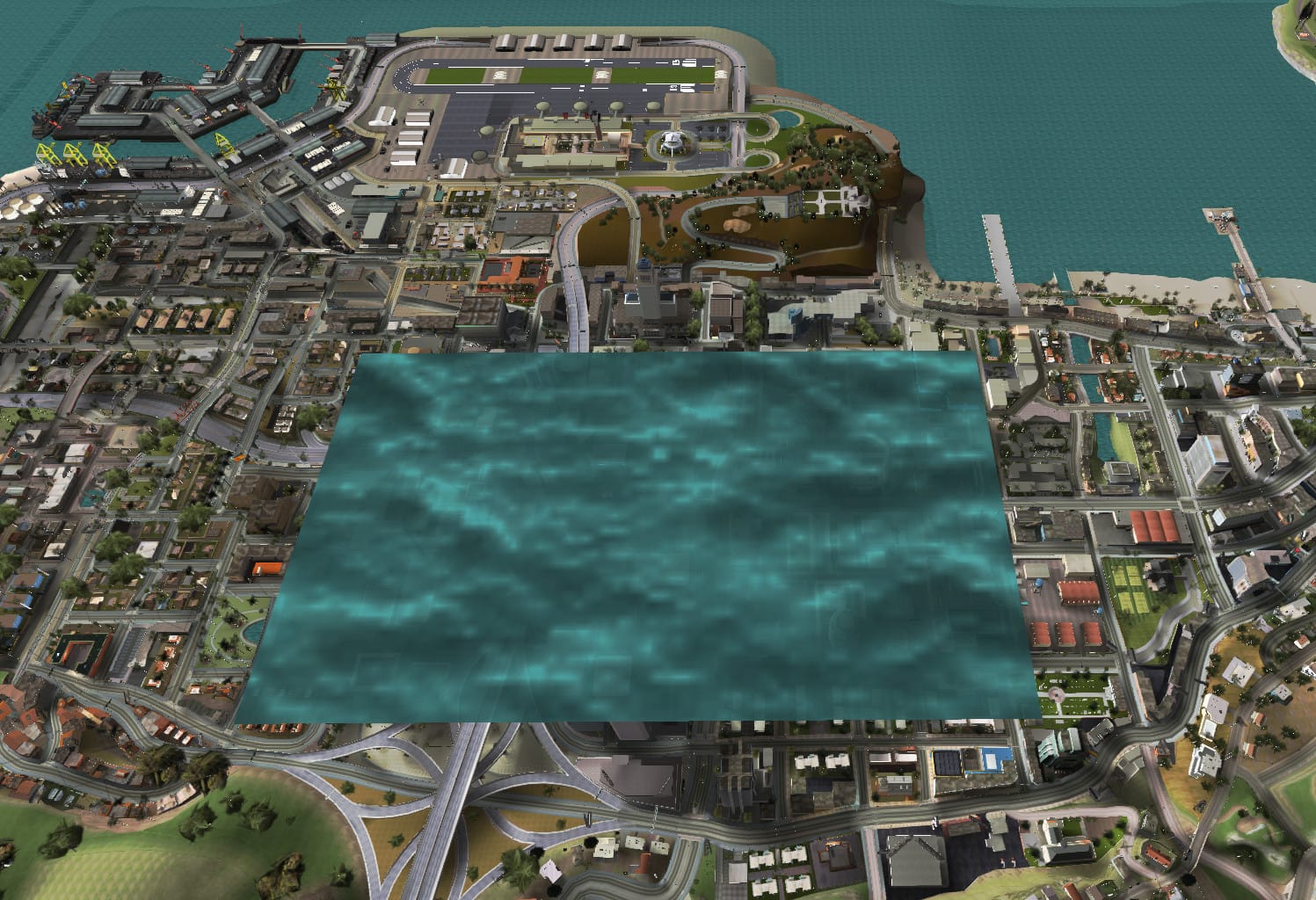
Grand Theft Auto – Crime & architecture is presented as an essay organised around a deceptively plain question: how might we approach contemporary urban reality through the medium of play? Careri is not asking what GTA “says” about cities in the manner of a representational critique, nor is he content with the usual gestures toward satire and parody. Instead, he frames GTA as an urban system, that is, an “open” city whose claims to freedom are structured by code, mission design, and the logistical imperatives of action gameplay.
The project insists that Los Santos should be studied at two scales at once. At the macro scale, GTA “makes system”: it operates as an integrated urban machine, a crime fable, and a photorealist satire whose coherence depends on tightly managed affordances and predictable rhythms of escalation. At the micro scale, however, Careri shifts attention to gestures that interrupt or re-route that system from within: roleplay practices, détournements, and art interventions that treat the game’s world as malleable material rather than narrative décor.
That second scale is where the argument becomes distinctly contemporary. In 2026, “the city” is rarely encountered as a stable object; it is approached through interfaces, routing systems, predictive models, and infrastructural abstractions. Reading GTA as an urban method (rather than a caricature of urban life) places game-based practices in direct conversation with architectural discourse, media archaeology, and platform critique. Careri’s focus on in-game roleplay and artistic intervention also avoids a recurrent trap in GTA scholarship: the temptation to treat criminality as theme, rather than as a structuring logic that shapes how movement, attention, and risk are distributed across space.
If you cannot be in Lyon, the organisers have provided a Google Meet link for remote attendance: https://meet.google.com/iwy-jubr-mhc
Angelo Careri is editor-in-chief of the magazine Immersion and co-head of the Game Art studio at ENSAD Paris, while also teaching game theory and experimental game design at ICAN. His essay on Boris Camaca is featured in the book Fotoludica (2025).